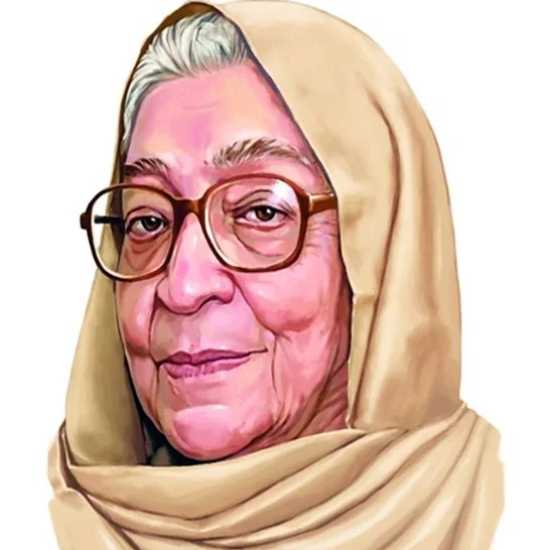
कृष्णा सोबती
(कृष्णा )
| जन्म तिथि | 18 February 1925 |
| जन्म स्थान | गुजरात शहर, पंजाब, भारत |
| पिता | श्रीमल सोबती |
| माता | श्रीमती शिवदुलारी सोबती |
| शिक्षा | दिल्ली और शिमला में प्रारंभिक शिक्षा, फिर लाहौर के फतेहचंद कॉलेज में उच्च शिक्षा |
| राष्ट्रीयता | भारतीय |
| धर्म | हिन्दू |
| पुरस्कार | साहित्य अकादमी (1980) साहित्य अकादमी फेलोशिप (1996) ज्ञानपीठ (2017) |
| रचनाएँ | मित्रो मरजानी, डार से बिछुरी, सूरजमुखी अँधेरे के |
| मृत्यु | 25 जनवरी 2019 (उमिर 93) दिल्ली |
कृष्णा सोबती – जीवन परिचय--
कृष्णा सोबती हिंदी साहित्य की उन चुनिंदा रचनाकारों में से हैं जिन्होंने अपनी कलम से भाषा, विषय और दृष्टिकोण—तीनों में नए आयाम जोड़े। उन्हें “हिंदी साहित्य की ग्रैंड डैम” कहा जाता है। उनके लेखन में पंजाब की मिट्टी की महक, विभाजन का दर्द, स्त्री-जीवन की जटिलताएँ और ग्रामीण-शहरी समाज की धड़कन एक साथ मिलती है।
वे अपने समय की सबसे निर्भीक महिला लेखकों में थीं, जिनकी कृतियाँ न सिर्फ साहित्यिक मूल्य के लिए बल्कि सामाजिक-सांस्कृतिक क्रांति के दस्तावेज़ के रूप में भी देखी जाती हैं।
18 फरवरी 1925 को जन्मी और 25 जनवरी 2019 को विदा लेने वाली कृष्णा सोबती ने अपने लगभग नौ दशक के जीवन में भारतीय साहित्य को कई अमर रचनाएँ दीं।
बाल्यकाल की स्मृतियाँ और सांस्कृतिक प्रभाव--
कृष्णा सोबती का जन्म पंजाब प्रांत के गुजरात नामक शहर (अब पाकिस्तान में) में हुआ था। उनका परिवार पढ़ा-लिखा और प्रशासनिक सेवा से जुड़ा था—पिता ब्रिटिश राज में अधिकारी थे। बचपन में वे पंजाब की ग्रामीण खुशबू, लोकगीतों और कहावतों से घिरी रहीं।
उनके घर का वातावरण बहुभाषी था—पंजाबी, उर्दू, हिंदी और अंग्रेज़ी सभी भाषाएँ बोली जाती थीं। यही बहुभाषिक अनुभव आगे चलकर उनकी साहित्यिक भाषा का आधार बना।
बचपन की कहानियाँ, दादी-नानी के किस्से, लोकगाथाएँ और घर की महिलाओं की आपसी बातचीत—इन सबने उनके मन में कहानी कहने का बीज बोया।
शिक्षा काल के अनुभव--
प्रारंभिक शिक्षा शिमला और दिल्ली में हुई, फिर वे लाहौर के फतेहचंद कॉलेज में पढ़ने गईं। कॉलेज में साहित्य, इतिहास और भाषा में उनकी गहरी रुचि थी।
यह समय उनके लिए निर्णायक था—क्योंकि 1940 के दशक का लाहौर साहित्यिक, सांस्कृतिक और राजनीतिक आंदोलनों का केंद्र था। यहाँ उन्होंने कई उर्दू और पंजाबी लेखकों को सुना-पढ़ा।
लेकिन 1947 का विभाजन आने से उनकी पढ़ाई अधूरी रह गई और वे भारत लौट आईं। यह अधूरापन उनके भीतर एक स्थायी टीस बन गया, जो बाद में उनकी कहानियों में झलकता है।
विभाजन का प्रत्यक्ष अनुभव--
1947 का विभाजन उनके जीवन का सबसे बड़ा मोड़ था। लाहौर छोड़कर भारत आना पड़ा—अपने घर, मित्र, और शहर की यादों को पीछे छोड़ते हुए।
उन्होंने अपने आँखों से दंगों, हिंसा, विस्थापन और शरणार्थियों की पीड़ा देखी। यह दर्द उनकी रचनाओं में बार-बार आता है—विशेषकर ज़िन्दगीनामा और गुजरात पाकिस्तान से गुजरात हिंदुस्तान में।
विभाजन ने उन्हें यह एहसास कराया कि घर और पहचान जैसी चीज़ें स्थायी नहीं होतीं, और इन्हें बचाने के लिए मनुष्य को संघर्ष करना पड़ता है।
महाराजा तेज सिंह के दरबार में अनुभव--
विभाजन के बाद वे सिरोही (राजस्थान) में महाराजा तेज सिंह के यहाँ काम करने लगीं। यह नौकरी उन्हें रोज़गार के साथ-साथ नई संस्कृति से रूबरू करा रही थी।
दरबारी जीवन, राजस्थानी लोकभाषा, दरबार के रस्म-रिवाज़—इन सबने उनकी भाषा और कथानक को समृद्ध किया।
यहाँ उन्होंने देखा कि सामंती व्यवस्था में स्त्री की स्थिति कैसी होती है—यह अनुभव बाद में मित्रो मरजानी जैसे उपन्यास में जीवंत हुआ।
साहित्य में आरंभिक संघर्ष--
उनकी पहली कहानी “लामा” 1944 में प्रकाशित हुई थी, लेकिन 1948 में प्रकाशित “सिक्का बदल गया” ने उन्हें पहचान दी।
शुरुआत में उनकी कहानियाँ कई बार संपादकों ने अस्वीकार कर दीं। कुछ ने उनकी भाषा को “बहुत बोलचाल की” कहकर ठुकराया, तो कुछ को विषय असहज लगे।
लेकिन कृष्णा सोबती ने किसी के सामने झुकना नहीं सीखा। उन्होंने लिखा—जैसा उन्होंने देखा और महसूस किया।
प्रमुख कृतियाँ और उनकी विशेषताएँ--
मित्रो मरजानी (1966)--
यह उपन्यास हिंदी साहित्य में स्त्री-यौनिकता पर पहली बार इतने खुले रूप में लिखा गया था। मित्रो—एक ग्रामीण पंजाबी महिला—अपनी इच्छाओं और स्वतंत्र सोच के साथ पाठकों के सामने आती है। इस पर काफी विवाद भी हुआ, लेकिन इसे मील का पत्थर माना गया।
सूरजमुखी अँधेरे के (1972)--
यह उपन्यास यौन शोषण और मानसिक आघात पर केंद्रित है। इसमें पीड़िता के मनोभावों का गहरा चित्रण है।
ज़िन्दगीनामा (1979)--
ग्रामीण पंजाब का महाकाव्य—पात्रों, बोली, संस्कृति, गीत, मौसम सब इतने जीवंत हैं कि पाठक उस दौर में पहुँच जाता है। इसके लिए उन्हें साहित्य अकादमी पुरस्कार मिला।
दिलो-दानिश (1993)--
नारी दृष्टिकोण से शहरी जीवन का संवेदनशील चित्रण। इसका अंग्रेजी अनुवाद भी चर्चित रहा।
अन्य कृतियाँ--
ऐ लड़की, समय सरगम, यारों के यार, तिन पहाड़, हम हशमत, और विभाजन-आधारित गुजरात पाकिस्तान से गुजरात हिंदुस्तान।
भाषा और शैली--
कृष्णा सोबती की भाषा उनकी सबसे बड़ी ताकत थी—वे पंजाबी, उर्दू, राजस्थानी के मुहावरों और शब्दों को हिंदी में सहजता से पिरोती थीं।
उनके संवाद जीवन्त, हास्य और कटाक्ष से भरपूर होते थे। उनकी भाषा न तो पूरी तरह साहित्यिक हिंदी थी, न ही पूरी तरह बोलचाल की—बल्कि दोनों का अनोखा मिश्रण।
विवाद और बेबाकी--
मित्रो मरजानी पर अश्लीलता के आरोप लगे, सूरजमुखी अँधेरे के ने समाज को असहज किया, और ज़िन्दगीनामा पर लेखिका अमृता प्रीतम के साथ कॉपीराइट विवाद भी हुआ।
लेकिन उन्होंने कभी अपनी बात कहने से पीछे नहीं हटीं—वे मानती थीं कि लेखक को समाज का सच्चा आईना दिखाना चाहिए, चाहे वह लोगों को अच्छा लगे या नहीं।
पुरस्कार और सम्मान--
- साहित्य अकादमी पुरस्कार (1980) – ज़िन्दगीनामा के लिए
- साहित्य अकादमी फेलोशिप (1996)
- व्यास सम्मान (2008)
- ज्ञानपीठ पुरस्कार (2017)
- कई अन्य—शिरोमणि पुरस्कार, हिंदी अकादमी शलाका सम्मान, कथा चूड़ामणि आदि
पुरस्कार लौटाने का निर्णय--
2015 में उन्होंने साहित्य अकादमी पुरस्कार लौटाने का फैसला किया। कारण—देश में बढ़ती असहिष्णुता और अभिव्यक्ति की स्वतंत्रता पर खतरे। यह कदम उस समय लेखक समुदाय के बड़े विरोध आंदोलन का हिस्सा था।
निजी जीवन--
कृष्णा सोबती ने 70 वर्ष की उम्र में डोगरी लेखक शिवनाथ से विवाह किया। यह उनके जीवन का बेहद निजी और संतुलित निर्णय था। दिल्ली में उन्होंने लंबा समय बिताया, लिखते-पढ़ते और साहित्यिक समारोहों में सक्रिय रहते हुए।
वृद्धावस्था और अंतिम लेखन--
जीवन के अंतिम वर्षों में भी उनका लेखन जारी रहा। 2017 में प्रकाशित गुजरात पाकिस्तान से गुजरात हिंदुस्तान में उन्होंने विभाजन और विस्थापन की यात्रा को आत्मकथात्मक रूप में लिखा।
निधन और विरासत--
25 जनवरी 2019 को दिल्ली में उनका निधन हो गया।
आज भी वे नई पीढ़ी की महिला लेखिकाओं के लिए प्रेरणा हैं—न सिर्फ उनकी कहानियों के लिए, बल्कि उस अडिग और साहसी व्यक्तित्व के लिए, जिसने कभी समझौता नहीं किया।
निष्कर्ष--
कृष्णा सोबती का साहित्य केवल शब्दों का खेल नहीं, बल्कि जीवन का दस्तावेज़ है—जहाँ प्रेम है, पीड़ा है, बगावत है, और मानवता का गहरा भाव है। उन्होंने साबित किया कि लेखन केवल मनोरंजन नहीं, बल्कि बदलाव का हथियार भी है
कृष्णा सोबती का पारिवारिक जीवन--
कृष्णा सोबती का जन्म 18 फरवरी 1925 को गुजरांवाला, पंजाब (अब पाकिस्तान) में हुआ था। वे एक समृद्ध, शिक्षित और सांस्कृतिक रूप से सम्पन्न परिवार से थीं। उनका परिवार विभाजन से पहले पंजाब के अभिजात वर्ग में गिना जाता था।
पिता – उनका नाम श्रीमल सोबती था, जो एक ज़मींदार एवं प्रशासकीय सेवाओं से जुड़े हुए थे।
माता – उनकी माता का नाम श्रीमती शिवदुलारी सोबती था, जो घरेलू कार्यों के साथ-साथ पढ़ी-लिखी, आधुनिक विचारों वाली महिला थीं। उन्होंने कृष्णा सोबती को शिक्षा और स्वतंत्र सोच के संस्कार दिए।
कृष्णा सोबती के कई भाई-बहन थे, परंतु वे बचपन से ही अलग पहचान बनाने के लिए जानी जाती थीं। उनके परिवार में कला और साहित्य का वातावरण था, जिससे उन्हें लेखन की प्रेरणा मिली।
कृष्णा सोबती ने अपने जीवन में विवाह नहीं किया। वे मानती थीं कि एक लेखक के लिए व्यक्तिगत स्वतंत्रता बहुत ज़रूरी है। उन्होंने अकेलेपन को अपनी ताकत और रचनात्मकता का साधन बनाया।
कृष्णा सोबती का जीवन और लेखन उनके पारिवारिक मूल्यों से गहराई से जुड़ा था।
उन्होंने अपने बचपन के अनुभव, परिवार की कहानियाँ, और पंजाब की लोकसंस्कृति को अपने उपन्यासों और कहानियों में जगह दी।
उनके सबसे करीबी मित्रों में हिंदी साहित्य जगत के कई प्रमुख लेखक और कवि शामिल थे, जैसे अज्ञेय, निर्मल वर्मा, और काशीनाथ सिंह।
विभाजन का प्रभाव--
1947 के विभाजन के दौरान उनका परिवार भारत आ गया और दिल्ली में बस गया। इस दौरान परिवार ने अपनी ज़मीन-जायदाद, पुश्तैनी घर, और कई रिश्तेदार खो दिए। विभाजन का यह दर्द कृष्णा सोबती के साहित्य में बार-बार दिखता है, विशेषकर ज़िन्दगीनामा और सूरजमुखी अँधेरे के जैसी रचनाओं में।
कृष्णा सोबती से जुड़ी रोचक जानकारियाँ--
मित्रो मरजानी से बनी पहचान –
उनका पहला उपन्यास मित्रो मरजानी (1966) हिंदी साहित्य में स्त्री कामुकता और बेबाक बातचीत को लेकर क्रांतिकारी माना गया। उस समय यह किताब कई जगह विवादित भी हो गई थी।
कभी भी विवाह नहीं किया –
उन्होंने पूरी जिंदगी अविवाहित रहना चुना, क्योंकि उनका मानना था कि लेखक को रचनात्मक स्वतंत्रता बनाए रखने के लिए बंधनों से मुक्त रहना चाहिए।
विभाजन की साक्षी –
1947 में भारत-पाकिस्तान विभाजन के समय वे पंजाब में थीं और उन्होंने साम्प्रदायिक हिंसा और विस्थापन को करीब से देखा, जिसे बाद में उन्होंने अपनी कई रचनाओं में सजीव रूप से उतारा।
पंजाब की मिट्टी की खुशबू –
उनकी कहानियों में पंजाब की बोली, लोकगीत, किस्से-कहानियाँ और ग्रामीण जीवन की झलक मिलती है। वे अपने पात्रों के लिए अक्सर स्थानीय लहजे का इस्तेमाल करती थीं।
साहित्यिक विवादों में भी रहीं चर्चित –
उन्होंने 2017 में साहित्य अकादमी पुरस्कार वापस कर दिया था, देश में बढ़ते असहिष्णु माहौल के विरोध में।
लेखन में साहसिक भाषा –
वे पात्रों की भाषा और व्यक्तित्व को असली रूप में पेश करती थीं, भले ही उसमें बोलचाल के शब्द, गालियाँ या स्थानीय मुहावरे शामिल हों, जो कई बार परंपरावादियों को चौंका देते थे।
कहानी और उपन्यास दोनों में समान महारत –
वे सिर्फ उपन्यासकार ही नहीं, बल्कि लघुकथा और आत्मकथात्मक लेखन में भी बेहद कुशल थीं।
'गुजरांवाला' से 'दिल्ली' तक का सफर –
जन्म पाकिस्तान के गुजरांवाला में, शिक्षा लाहौर और दिल्ली में, और अंततः दिल्ली ही उनकी स्थायी कर्मभूमि बनी।
अंतिम समय तक सक्रिय लेखन –
उम्र के 90वें दशक में भी वे लेखन, इंटरव्यू और साहित्यिक समारोहों में सक्रिय थीं।
ज्ञानपीठ पुरस्कार विजेता –
उन्हें 2017 में ज्ञानपीठ पुरस्कार मिला, जिसे वे हिंदी साहित्य का सबसे बड़ा सम्मान मानती थीं।
कृष्णा सोबती के प्रेरक उद्धरण--
- "लेखक को अपनी रचनाओं में सच बोलने का साहस होना चाहिए, चाहे वह कितनी भी कड़वी क्यों न हो।"
- "शब्द जब तक अपने समय की नब्ज़ नहीं पकड़ते, तब तक वे महज़ काग़ज़ पर लिखी लकीरें हैं।"
- "एक औरत की असली ताक़त उसकी सोच और उसकी ज़बान है, न कि उसके पीछे खड़ी दुनिया।"
- "साहित्य का काम सिर्फ मनोरंजन नहीं, बल्कि समाज को आईना दिखाना भी है।"
- "लेखन मेरे लिए रोज़ का नमक है — ज़रूरी, तीखा और सचमुच स्वाद देने वाला।"
- "भाषा को सिर्फ पढ़ना नहीं चाहिए, उसे जीना चाहिए।"
- "कहानी तब जीवित होती है जब उसके पात्र आपकी साँसों में बस जाएँ।"
- "मेरी कलम ने हमेशा सत्ता से सवाल किए हैं, चाहे वह घर की हो, समाज की या राजनीति की।"
- "लेखक का काम तटस्थ रहना नहीं, बल्कि सच के पक्ष में खड़े रहना है।"
- "मैंने अपने पात्रों को कभी नहीं गढ़ा, वे तो मेरे जीवन में खुद चलकर आए।"
कृष्णा सोबती – प्रश्न और उत्तर--
प्र.1: कृष्णा सोबती का जन्म कब और कहाँ हुआ था?
उ. कृष्णा सोबती का जन्म 18 फरवरी 1925 को ब्रिटिश भारत के पंजाब प्रांत के गुजरांवाला (अब पाकिस्तान) में हुआ था।
प्र.2: उनकी शिक्षा कहाँ हुई?
उ. उन्होंने प्रारंभिक शिक्षा दिल्ली, शिमला और लाहौर में प्राप्त की। विभाजन के बाद वे भारत आ गईं और दिल्ली को स्थायी निवास बनाया।
प्र.3: कृष्णा सोबती का पहला प्रसिद्ध उपन्यास कौन सा था?
उ. मित्रो मरजानी (1966) उनका पहला प्रसिद्ध उपन्यास था, जिसने हिंदी साहित्य में महिला पात्रों की खुली और बेबाक छवि पेश की।
प्र.4: क्या कृष्णा सोबती ने विवाह किया था?
उ. नहीं, उन्होंने जीवनभर अविवाहित रहना चुना।
प्र.5: उन्हें कौन-कौन से प्रमुख पुरस्कार मिले?
उ. उन्हें साहित्य अकादमी पुरस्कार (1980), ज्ञानपीठ पुरस्कार (2017), श्लाघनीय सेवा पुरस्कार और कई अन्य सम्मान प्राप्त हुए।
प्र.6: उन्होंने साहित्य अकादमी पुरस्कार कब और क्यों लौटाया?
उ. 2017 में उन्होंने साहित्य अकादमी पुरस्कार देश में बढ़ती असहिष्णुता के विरोध में लौटा दिया था।
प्र.7: उनकी लेखन शैली की खासियत क्या थी?
उ. वे स्थानीय बोली, मुहावरों और असल ज़िंदगी की भाषा का प्रयोग करती थीं। उनके पात्र साहसी, जीवंत और सामाजिक बंधनों को तोड़ने वाले होते थे।
प्र.8: कृष्णा सोबती के अन्य प्रसिद्ध कार्य कौन-कौन से हैं?
उ. ज़िंदगीनामा, दिल-ओ-दानिश, सोबती एक सोबत, सूरजमुखी अंधेरे के, यारों के यार, और ऐ लड़की उनकी अन्य महत्वपूर्ण रचनाएँ हैं।
प्र.9: कृष्णा सोबती का निधन कब हुआ?
उ. 25 जनवरी 2019 को 93 वर्ष की उम्र में दिल्ली में उनका निधन हुआ।
प्र.10: वे हिंदी साहित्य में क्यों खास मानी जाती हैं?
उ. उन्होंने महिला पात्रों को आत्मविश्वासी, स्वतंत्र और समाज के मानकों को चुनौती देने वाला रूप दिया, जो हिंदी साहित्य में एक नया मोड़ था।
Krishna Sobti – Biography--
Krishna Sobti is one of those select writers in Hindi literature who expanded the horizons of language, subject, and perspective through her pen. She is fondly called the “Grand Dame of Hindi Literature.” Her works carry the fragrance of Punjab’s soil, the pain of Partition, the complexities of women’s lives, and the heartbeat of both rural and urban society.
She was among the most fearless women writers of her time. Her creations are not only valued for their literary merit but are also regarded as documents of socio-cultural revolution.
Born on 18 February 1925 and bidding farewell on 25 January 2019, Krishna Sobti, in her nearly nine decades of life, gifted Indian literature with several immortal works.
Childhood Memories and Cultural Influences--
Krishna Sobti was born in Gujarat, Punjab province (now in Pakistan). Her family was educated and connected with the administrative services—her father was an officer under the British Raj.
Her childhood was surrounded by the rural fragrance of Punjab, folk songs, and proverbs.
The family atmosphere was multilingual—Punjabi, Urdu, Hindi, and English were all spoken at home. This multilingual environment later became the foundation of her literary language.
Stories from her childhood, grandmother’s tales, folk legends, and the everyday conversations of women in the house sowed the seeds of storytelling in her mind.
Educational Experiences--
She received her early education in Shimla and Delhi, and later went to Fateh Chand College in Lahore. In college, she developed a deep interest in literature, history, and language.
The 1940s Lahore was a hub of literary, cultural, and political movements. There she read and listened to many Urdu and Punjabi writers.
However, the Partition of 1947 forced her to discontinue her studies and return to India. This incompletion remained a permanent wound in her heart and often echoed in her stories.
Direct Experience of Partition--
The 1947 Partition was the biggest turning point in her life. She had to leave Lahore for India—leaving behind her home, friends, and city memories.
She personally witnessed riots, violence, displacement, and the suffering of refugees. This pain found repeated expression in her works—especially in Zindaginama and Gujarat Pakistan Se Gujarat Hindustan.
Partition taught her that things like home and identity are not permanent, and one must struggle to preserve them.
Experience at Maharaja Tej Singh’s Court--
After Partition, she worked for Maharaja Tej Singh in Sirohi (Rajasthan). This job provided her livelihood as well as exposure to a new culture.
Courtly life, Rajasthani dialects, traditions, and rituals enriched her language and narratives.
Here, she observed the condition of women in the feudal system—an experience that later took shape in her landmark novel Mitro Marjani.
Early Struggles in Literature--
Her first story “Lama” was published in 1944, but it was Sikka Badal Gaya (1948) that brought her recognition.
In the beginning, her stories were often rejected by editors—some found her language “too colloquial,” others found her subjects uncomfortable.
However, Krishna Sobti never bowed to anyone’s expectations. She wrote what she saw and felt.
Major Works and Their Significance--
-
Mitro Marjani (1966) –
One of the first Hindi novels to openly explore female sexuality. Mitro, a rural Punjabi woman, appears before readers with her desires and independent thinking. It was controversial but became a milestone. -
Surajmukhi Andhere Ke (1972) –
Focused on sexual exploitation and psychological trauma, portraying the victim’s emotions with great depth. -
Zindaginama (1979) –
An epic of rural Punjab—characters, dialects, culture, songs, and seasons so vividly portrayed that readers are transported to that era. It won her the Sahitya Akademi Award. -
Dil-o-Danish (1993) –
A sensitive portrayal of urban life from a woman’s perspective. The English translation was also widely discussed. -
Other Works –
Ai Ladki, Samay Saragam, Yaron Ke Yaar, Tin Pahad, Hum Hashmat, and Gujarat Pakistan Se Gujarat Hindustan.
Language and Style--
Krishna Sobti’s greatest strength was her language—she seamlessly wove Punjabi, Urdu, and Rajasthani idioms into Hindi.
Her dialogues brimmed with liveliness, humor, and satire. Her language was neither fully literary nor purely colloquial—it was a unique blend of both.
Controversies and Fearlessness--
Mitro Marjani faced allegations of obscenity, Surajmukhi Andhere Ke made society uncomfortable, and Zindaginama led to a copyright dispute with writer Amrita Pritam.
Yet, she never stepped back from speaking her mind. She believed that a writer must show society its true mirror, whether people liked it or not.
Awards and Honours--
-
Sahitya Akademi Award (1980) – for Zindaginama
-
Sahitya Akademi Fellowship (1996)
-
Vyas Samman (2008)
-
Jnanpith Award (2017)
-
Several others – Shiromani Award, Hindi Academy Shalaka Samman, Katha Chudamani, etc.
Returning the Award--
In 2015, she decided to return her Sahitya Akademi Award, citing the growing intolerance in the country and threats to freedom of expression. This was part of a larger protest movement among Indian writers.
Personal Life--
At the age of 70, Krishna Sobti married Dogri writer Shivnath. This was a very personal and balanced decision. She spent much of her later life in Delhi, actively participating in writing and literary events.
Old Age and Final Writings--
Even in her later years, her writing continued. In 2017, she published Gujarat Pakistan Se Gujarat Hindustan, an autobiographical account of Partition and displacement.
Death and Legacy--
She passed away on 25 January 2019 in Delhi.
Even today, she remains an inspiration for the new generation of women writers—not only for her stories but for her unyielding and courageous personality that never compromised.
Conclusion--
Krishna Sobti’s literature is not just a play of words but a document of life—where love, pain, rebellion, and humanity coexist. She proved that writing is not just for entertainment, but also a weapon for change.
Family Background--
-
Born: 18 February 1925, Gujranwala, Punjab (now in Pakistan)
-
Father: Shreymal Sobti – a landlord and administrative officer
-
Mother: Shivdulhari Sobti – educated, modern-minded, and progressive
She came from an affluent, educated, and culturally rich family. Her household atmosphere encouraged education, art, and literature.
Krishna Sobti chose to remain unmarried most of her life, valuing her personal freedom as essential for creativity.
Impact of Partition--
During the Partition of 1947, her family moved to Delhi, losing their ancestral home, land, and many relatives. This trauma appears repeatedly in her works, especially in Zindaginama and Surajmukhi Andhere Ke.
Interesting Facts about Krishna Sobti--
-
Became famous with Mitro Marjani – A revolutionary portrayal of women’s sexuality in Hindi literature.
-
Never married for most of her life – Believed creative freedom required independence.
-
Eyewitness to Partition – Saw communal violence and displacement firsthand.
-
Fragrance of Punjab – Often used Punjabi dialects, folk songs, and rural life in her stories.
-
Literary controversies – Returned her Sahitya Akademi Award in protest.
-
Bold language – Used colloquial words, slang, and idioms fearlessly.
-
Master in both novels and short stories – Excelled equally in fiction and autobiographical writing.
-
Journey from Gujranwala to Delhi – Birth in Pakistan, education in Lahore and Delhi, and finally Delhi as her literary base.
-
Active till the end – Continued writing and participating in literary events well into her 90s.
-
Jnanpith Award winner – Considered it the highest honour in Hindi literature.
Inspirational Quotes by Krishna Sobti--
-
“A writer must have the courage to speak the truth in their works, no matter how bitter it is.”
-
“Until words capture the pulse of their time, they are just lines on paper.”
-
“A woman’s real strength lies in her mind and her tongue, not in the world standing behind her.”
-
“Literature’s job is not just to entertain, but to show society its mirror.”
-
“Writing for me is like daily salt—essential, sharp, and flavour-giving.”
-
“Language should not only be read, it should be lived.”
-
“A story lives when its characters breathe within you.”
-
“My pen has always questioned authority—whether at home, in society, or in politics.”
-
“A writer’s job is not to remain neutral, but to stand on the side of truth.”
-
“I never created my characters—they walked into my life themselves.”
Q&A on Krishna Sobti--
Q1: When and where was Krishna Sobti born?
A: 18 February 1925, Gujranwala, Punjab (now in Pakistan).
Q2: Where did she study?
A: Early education in Delhi, Shimla, and Lahore. After Partition, she settled in Delhi.
Q3: What was her first famous novel?
A: Mitro Marjani (1966).
Q4: Did she ever marry?
A: She remained unmarried for most of her life, marrying late at 70.
Q5: Which major awards did she receive?
A: Sahitya Akademi Award (1980), Jnanpith Award (2017), and many others.
Q6: When and why did she return the Sahitya Akademi Award?
A: Returned in 2015, protesting against growing intolerance in the country.
Q7: What was special about her writing style?
A: Use of local dialects, idioms, and realistic language with bold, independent characters.
Q8: Name other famous works by her.
A: Zindaginama, Dil-o-Danish, Surajmukhi Andhere Ke, Ai Ladki, Hum Hashmat.
Q9: When did she pass away?
A: 25 January 2019 in Delhi at the age of 93.
Q10: Why is she considered special in Hindi literature?
A: For portraying women as confident, independent, and challenging societal norms, marking a turning point in Hindi fiction.