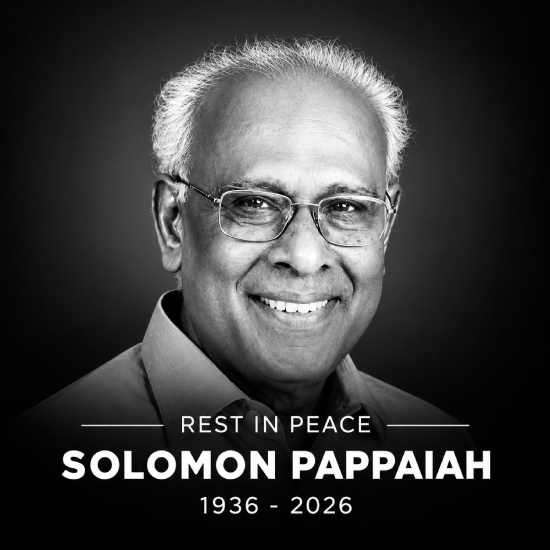
सोलोमन पप्पैया
| जन्म तिथि | 22 January 1936 |
| उम्र | 90 वर्ष (निधन के समय) |
| जन्म स्थान | सथनगुडी (Sathangudi), मदुरै के निकट, तमिलनाडु |
| निवास स्थान | ज्ञानोलीपुरम (Gnanaolivupuram), मदुरै, तमिलनाडु |
| पिता | सुंदरम (Sundaram) |
| माता | बक्कियम (Bakkiam) |
| वैवाहिक हि. | विवाहित |
| जीवनसंगी | विधुर। पत्नी जयाबाई (Jeyabai) |
| बच्चे | एक पुत्र और एक पुत्री (पुत्री विमला सोलोमन जापानी भाषा की प्रोफेसर हैं) |
| योग्यता | स्नातक (अर्थशास्त्र) – मदुरा कॉलेज; परास्नातक (तमिल) – थियागराजर कॉलेज |
| पेशा | तमिल प्रोफेसर, लेखक, वक्ता, पट्टिमंद्रम संचालक, अभिनेता |
| राष्ट्रीयता | भारतीय |
| धर्म | हिन्दू |
| पुरस्कार | पद्म श्री (2021), कलैमामणि (2000) |
| मृत्यु | 11 सितंबर 2026 |
सोलोमन पप्पैया जीवनी—
तमिल जगत के अद्वितीय विद्वान और वाद-विवाद सम्राट
सोलोमन पप्पैया (Solomon Pappaiah) तमिलनाडु के उन गिने-चुने विद्वानों में से एक थे जिन्होंने तमिल साहित्य और संस्कृति को आम जनता के दरवाजे तक पहुँचाने का अभूतपूर्व कार्य किया। वे एक ऐसे शिक्षक, लेखक, वक्ता और मंच संचालक थे जिन्होंने छह दशकों से अधिक समय तक तमिल भाषा की सेवा की। उन्हें विशेष रूप से 'पट्टिमंद्रम' (Pattimandram) नामक पारंपरिक तमिल वाद-विवाद कार्यक्रमों के संचालन के लिए जाना जाता था, जिन्हें उन्होंने टेलीविजन के माध्यम से लाखों तमिल घरों तक पहुँचाया। उनका हास्य, सरल भाषा और जटिल साहित्यिक विषयों को आम आदमी की समझ में उतारने की क्षमता उन्हें एक अद्वितीय व्यक्तित्व बनाती थी। वर्ष 2021 में भारत सरकार ने उन्हें पद्म श्री से सम्मानित किया, जो उनके छह दशकों की साहित्यिक और शैक्षिक सेवा का प्रमाण था।
प्रारंभिक जीवन और पारिवारिक पृष्ठभूमि—
सोलोमन पप्पैया का जन्म 22 फरवरी 1936 को तमिलनाडु के मदुरै जिले के सथनगुडी (Sathangudi) नामक एक छोटे से गाँव में हुआ था। उनके पिता का नाम ए. सुंदरम (A. Sundaram) और माता का नाम बक्कियम (Bakkiam) था। वे अपने माता-पिता की बारह संतानों में से नौवें संतान थे। उनका जन्म नाम सुंदरम सोलोमन पप्पैया था, लेकिन वे सोलोमन पप्पैया के नाम से प्रसिद्ध हुए।
पप्पैया का परिवार आर्थिक रूप से कमजोर था। उनके पिता एक मिल में मजदूर के रूप में काम करते थे और परिवार की इतनी बड़ी जिम्मेदारी उठाना उनके लिए कठिन था। पप्पैया की शिक्षा में आर्थिक बाधाएँ आड़े आ रही थीं, लेकिन उनके मित्रों की मदद से वे अपनी पढ़ाई जारी रख सके। यह उनके जीवन का एक महत्वपूर्ण मोड़ था, क्योंकि शिक्षा के बिना वे वह विद्वान नहीं बन पाते जो आगे चलकर बने।
उनके शिक्षकों में अरसू (Arasu) नामक एक ड्राइंग मास्टर थे, जिन्होंने अमेरिकन कॉलेज हायर सेकेंडरी स्कूल में उन्हें कई कौशल सिखाए। इसके अलावा, अमेरिकन कॉलेज के प्रोफेसर जोथी मुथु (Jothi Muthu) ने तमिल भाषा के प्रति उनके प्रेम को निखारा। ये दो शिक्षक उनके जीवन में महत्वपूर्ण भूमिका निभाने वाले व्यक्तियों में से थे।
शिक्षा—
सोलोमन पप्पैया ने अपनी प्रारंभिक शिक्षा मदुरै में पूरी की। उन्होंने प्रतिष्ठित अमेरिकन कॉलेज, मदुरै से स्नातक (बी.ए.) की उपाधि प्राप्त की। इसके बाद उन्होंने थियागराजर कॉलेज (Thiagarajar College) से तमिल में परास्नातक (एम.ए.) किया। वे तमिल एम.ए. के पहले बैच के छात्रों में से थे। उनकी शैक्षणिक योग्यता और तमिल भाषा के प्रति गहरा लगाव उन्हें एक अलग पहचान दिलाता था।
शैक्षणिक करियर—
सोलोमन पप्पैया का शैक्षणिक जीवन अत्यंत समृद्ध और प्रभावशाली रहा। वर्ष 1961 में उन्होंने अमेरिकन कॉलेज, मदुरै में तमिल के व्याख्याता (लेक्चरर) के रूप में अपना करियर शुरू किया। यह वही संस्थान था जहाँ से उन्होंने स्वयं स्नातक की पढ़ाई की थी। वे वर्ष 1994 में तमिल विभाग के विभागाध्यक्ष (Head of Department) के पद से सेवानिवृत्त हुए। इस प्रकार उन्होंने तीन दशकों से अधिक समय तक इस प्रतिष्ठित संस्थान में सेवा की।
उनके कार्यकाल में तमिल अध्ययन को नई ऊँचाइयाँ मिलीं। वर्ष 1986 में उनके नेतृत्व में अमेरिकन कॉलेज में तमिल के स्नातक कार्यक्रम को पूर्ण विकसित स्नातकोत्तर विभाग (Postgraduate Department) में उन्नत किया गया। यह उनके शैक्षणिक दृष्टिकोण और प्रशासनिक क्षमता का प्रमाण था। उनके सहयोगियों और पूर्व छात्रों ने उन्हें केवल एक शिक्षक के रूप में नहीं, बल्कि एक समर्पित मार्गदर्शक के रूप में याद किया, जिन्होंने पीढ़ियों के युवा मन को आकार दिया।
अमेरिकन कॉलेज के प्राचार्य और सचिव जे. पॉल जयकर ने उनके निधन पर कहा, “अमेरिकन कॉलेज समुदाय, अनगिनत प्रशंसकों, मित्रों और छात्रों के साथ एक सच्चे दिग्गज की हानि पर शोक व्यक्त कर रहा है। उनकी तीव्र बुद्धि, गहन विद्वता और तमिल के प्रति आजीवन जुनून की गहरी कमी महसूस की जाएगी।”
पट्टिमंद्रम—
तमिल वाद-विवाद की परंपरा और पप्पैया का योगदान—
पट्टिमंद्रम क्या है?—
‘पट्टिमंद्रम’ (Pattimandram) तमिल भाषा में आयोजित होने वाला एक पारंपरिक वाद-विवाद कार्यक्रम है, जिसमें वक्ता किसी विषय पर अपने-अपने पक्ष रखते हैं। परंपरागत रूप से यह मंच बौद्धिक और शैक्षणिक वर्ग तक सीमित था, जहाँ जटिल साहित्यिक विषयों पर चर्चा होती थी। आम जनता के लिए यह दूर की बात मानी जाती थी।
पप्पैया का क्रांतिकारी बदलाव—
सोलोमन पप्पैया ने पट्टिमंद्रम की परंपरा को मूल रूप से बदल दिया। उन्होंने महसूस किया कि यदि वाद-विवाद के विषय रोजमर्रा के जीवन से जुड़े होंगे, तो आम लोग उनसे अधिक जुड़ाव महसूस करेंगे। इसलिए उन्होंने पितृसत्ता (patriarchy), घरेलू कामों का बँटवारा, आधुनिक डेटा का उपयोग, पारिवारिक रिश्ते, बदलते सामाजिक मूल्य जैसे विषयों को अपने वाद-विवाद का आधार बनाया। ये विषय आम आदमी की जिंदगी से जुड़े थे और इसलिए उन्होंने लोगों का ध्यान खींचा।
उनकी शैली में हास्य, सरलता और गहन विद्वता का अनोखा संगम था। वे जटिल साहित्यिक और दार्शनिक विचारों को इतनी आसान भाषा में समझाते थे कि आम लोग भी उन्हें आसानी से समझ सकें और आनंद ले सकें। उनकी सादगी और विनम्रता ने उन्हें तमिल भाषी लोगों के बीच अपार लोकप्रियता दिलाई।
टेलीविजन के माध्यम से क्रांति—
1990 के दशक की शुरुआत में जब सैटेलाइट टेलीविजन का प्रसार हुआ, तो पप्पैया ने इस अवसर का पूरा लाभ उठाया। सन टीवी (Sun TV) जैसे लोकप्रिय तमिल चैनलों ने उनके पट्टिमंद्रम कार्यक्रमों को विशेष त्योहार कार्यक्रमों के रूप में प्रसारित करना शुरू किया। पोंगल (Pongal) और दीपावली जैसे त्योहारों पर उनके कार्यक्रम परिवारों के लिए अनिवार्य मनोरंजन बन गए। डीएमके प्रमुख एम.के. स्टालिन ने अपने शोक संदेश में कहा कि तमिल लोगों के लिए पोंगल और नए साल के दिन पप्पैया के टेलीविजन वाद-विवाद के साथ ही शुरू होते थे।
उन्होंने अपने पूरे करियर में भारत और विदेशों में 12,000 से अधिक पट्टिमंद्रम कार्यक्रमों का संचालन किया। यह एक अभूतपूर्व उपलब्धि थी। उनके अंतिम दिनों में भी उन्होंने विनायगर चतुर्थी (Vinayagar Chaturthi) के लिए एक विशेष कार्यक्रम रिकॉर्ड किया था, जो 14 सितंबर 2026 को प्रसारित होना था।
पप्पैया परंपरा—
एम.के. स्टालिन ने पप्पैया को “आधुनिक मदुरै की गौरवपूर्ण पहचान” बताया और कहा कि उन्होंने कई सार्वजनिक वक्ताओं को तैयार किया, जिसे “पप्पैया परंपरा” कहा जा सकता है। उनका यह योगदान केवल मनोरंजन तक सीमित नहीं था, बल्कि उन्होंने वाद-विवाद मंचों को विचारोत्तेजक बौद्धिक मंचों में बदल दिया।
साहित्यिक योगदान—
लेखन कार्य—
सोलोमन पप्पैया एक प्रख्यात लेखक भी थे। उन्होंने चार पुस्तकें लिखीं:
- पट्टुकोट्टई कल्याणसुंदरम: ओर पार्वई (Pattukottai Kalyanasundaram: Or Paarvai) - कवि पट्टुकोट्टई कल्याणसुंदरम पर एक दृष्टिकोण
- उरै मलरगल (Urai Malargal) - भाषणों का संग्रह
- उरै कोथु (Urai Kothu) - भाषणों का संग्रह
- तिरुक्कुरल उरैयुडन (Tirukkural Uraiyudan) - तिरुक्कुरल पर टिप्पणी सहित
इसके अलावा, उन्होंने पुराणनूरु (Purananooru) के लिए एक नई संरचनात्मक व्यवस्था विकसित की और महाकाव्य कवि कंबन (Kamban) पर व्यापक शोध किया। उनकी कंब रामायणम (Kamba Ramayanam) और तिरुक्कुरल पर टिप्पणियाँ अत्यंत लोकप्रिय थीं। यहाँ तक कि तिरुक्कुरल के कई मोबाइल ऐप्स में उनकी टिप्पणी का उपयोग किया जाता है, जिससे वे आधुनिक डिजिटल युग में भी वल्लुवर के पाठों को पहुँचाने का काम कर रहे हैं।
तमिल साहित्य की सेवा—
पप्पैया ने लगभग 60 वर्षों तक तमिल साहित्य की सेवा की और उन्हें तमिल जगत के सबसे महान विद्वानों में से एक माना जाता है। उन्होंने न केवल शास्त्रीय साहित्य पर काम किया, बल्कि संगम साहित्य (Sangam literature) पर भी महत्वपूर्ण शोध किया।
फिल्मी करियर—
फिल्मों में प्रवेश—
अपनी बौद्धिक और साहित्यिक उपलब्धियों के बावजूद, सोलोमन पप्पैया ने कुछ तमिल फिल्मों में भी अभिनय किया। उनका फिल्मी करियर संक्षिप्त था, लेकिन उनकी भूमिकाएँ यादगार रहीं। उन्होंने निर्देशक शंकर (Shankar) की दो फिल्मों में काम किया: बॉयज़ (Boys, 2003) और शिवाजी: द बॉस (Sivaji: The Boss, 2007)। इसके अलावा, उन्होंने पुधु वरुषम (Pudhu Varusham, 1992), यस मैडम (Yes Madam, 2003) और मुधलवन (Mudhalvan) जैसी फिल्मों में भी काम किया।
शिवाजी: द बॉस में भूमिका—
उनकी सबसे प्रसिद्ध फिल्मी भूमिका शिवाजी: द बॉस में थी, जिसमें उन्होंने रजनीकांत (Rajinikanth) के साथ काम किया। फिल्म में उन्होंने थोंडाईमणि (Thondaimani) का किरदार निभाया, जो रामलिंगम (पट्टिमंद्रम राजा द्वारा अभिनीत) का पड़ोसी था। रामलिंगम फिल्म की नायिका तमिळसेल्वी (श्रिया सरन) के सख्त, पारंपरिक पिता थे। पप्पैया का किरदार रामलिंगम के गंभीर स्वभाव के विपरीत एक हास्यपूर्ण और सूक्ष्मदर्शी व्यक्ति था।
फिल्म में एक यादगार दृश्य है जब शिवाजी (रजनीकांत) तमिळसेल्वी के पारंपरिक परिवार को प्रभावित करने की कोशिश करते हैं। वे पारंपरिक तमिल परिधान पहनने का प्रयास करते हैं, जिससे एक हास्यास्पद स्थिति बनती है। पप्पैया अपने भावपूर्ण भावों और आवाज़ के उतार-चढ़ाव का उपयोग करते हुए शिवाजी की इस कोशिश का मजाक उड़ाते हैं। यह दृश्य दर्शकों के बीच बेहद लोकप्रिय हुआ।
शिवाजी: द बॉस की सफलता के बाद पप्पैया को 200 से अधिक फिल्मों की पेशकश मिलीं। निर्माता उन्हें बुद्धिमान दादा या प्रोफेसर जैसी भूमिकाओं में लेना चाहते थे। हालाँकि, उन्होंने अधिकांश प्रस्ताव ठुकरा दिए। उन्होंने बाद में कहा कि फिल्म उद्योग ने उनका बहुत सम्मान किया, लेकिन वे इस क्षेत्र में करियर नहीं बनाना चाहते थे। अपने फिल्मी अनुभव के बारे में उन्होंने स्पष्ट रूप से कहा था कि अभिनय उनका “पसंदीदा काम नहीं” था।
व्यक्तिगत जीवन—
सोलोमन पप्पैया का विवाह जयाबाई (Jeyabai) से हुआ था। दुर्भाग्यवश, उनकी पत्नी का निधन उनसे पहले हो गया था। उनके परिवार में एक पुत्र और एक पुत्री हैं। अपने अंतिम दिनों में वे मदुरै के ज्ञानोलीपुरम (Gnanaolivupuram) क्षेत्र में रहते थे。
व्यक्तिगत दृष्टिकोण—
पप्पैया का जीवन सादगी और विनम्रता का प्रतीक था। उनकी विनम्र जीवनशैली और बोलने के तरीके ने उन्हें दुनिया भर के तमिल भाषी लोगों के बीच अपार प्रतिष्ठा दिलाई। वे महिलाओं के संघर्षों के प्रति विशेष रूप से संवेदनशील थे। एक साक्षात्कार में उन्होंने बताया था कि अपने युवा दिनों में वे अक्सर महिलाओं के साथ बैठकर उनके दैनिक संघर्षों के बारे में बातचीत करते थे। इस अनुभव ने उनकी समझ को आकार दिया और उन्होंने इसे अपने वाद-विवाद विषयों में शामिल किया।
रजनीकांत के साथ काम करने के अनुभव के बारे में उन्होंने कहा था कि उन्होंने उनसे विनम्रता, अनुशासन और स्नेह जैसे गुण सीखे। उन्होंने कहा, “इस फिल्म में काम करने से बड़ी बात यह है कि मैंने उनसे सीखा।”
सम्मान और पुरस्कार—
सोलोमन पप्पैया को अपने जीवनकाल में कई प्रतिष्ठित पुरस्कारों से सम्मानित किया गया:
- कलैमामणि (Kalaimamani, 2000) - तमिलनाडु सरकार द्वारा प्रदत्त राज्य का सर्वोच्च कला और नागरिक सम्मान।
- पद्म श्री (Padma Shri, 2021) - भारत सरकार द्वारा साहित्य और शिक्षा (पत्रकारिता) श्रेणी में प्रदत्त देश का चौथा सर्वोच्च नागरिक सम्मान।
- अन्नामलाई विश्वविद्यालय द्वारा 2010 में “मुत्तमिळ पेरारिग्नर” (Muthamizh Perarignar) की उपाधि।
- उन्हें “तमिल अरिग्नर” (Tamil Arignar) और “इयल कलै अरिग्नर” (Iyal Kalai Arignar) जैसी उपाधियों से भी सम्मानित किया गया।
निधन और शोक—
सोलोमन पप्पैया का निधन 11 सितंबर 2026 को मदुरै के एक निजी अस्पताल में हुआ। वे 90 वर्ष के थे। उन्हें उम्र संबंधी बीमारियों के कारण अस्पताल में भर्ती कराया गया था, जहाँ उन्होंने अंतिम साँस ली। उनकी मृत्यु के समय उनके पुत्र और पुत्री जीवित हैं।
राजकीय सम्मान—
तमिलनाडु सरकार ने घोषणा की कि सोलोमन पप्पैया का अंतिम संस्कार राजकीय सम्मान के साथ किया जाएगा। यह निर्णय तमिल भाषा, साहित्य और सार्वजनिक चर्चा में उनके महान योगदान को देखते हुए लिया गया। उनका पार्थिव शरीर मदुरै के ज्ञानोलीपुरम स्थित उनके आवास पर रखा गया, जहाँ राजनीतिक नेता, लेखक, शिक्षाविद और आम जनता ने उन्हें अंतिम श्रद्धांजलि दी। उनका अंतिम संस्कार शनिवार दोपहर मदुरै के थाथनेरी इलेक्ट्रिक श्मशान घाट (Thathaneri electric crematorium) में किया गया।
राजनीतिक और सामाजिक प्रतिक्रियाएँ—
उनके निधन पर देश भर से शोक संदेश आए। तमिलनाडु के मुख्यमंत्री सी. जोसेफ विजय ने कहा, “तमिल भाषा के गौरव और तमिल लोगों की जीवनशैली को वाद-विवाद मंचों के माध्यम से दुनिया तक पहुँचाने वाले तमिल विद्वान प्रोफेसर सोलोमन पप्पैया के निधन से गहरा दुख और पीड़ा हुई है। हास्य से भरे भाषणों और गहन विद्वता के माध्यम से जनता तक सामाजिक संदेश पहुँचाने में उनका योगदान महत्वपूर्ण था। वाद-विवाद को केवल मनोरंजन से विचारोत्तेजक बौद्धिक मंचों में बदलने में उनकी भूमिका अभूतपूर्व थी। उनका निधन तमिल भाषी दुनिया के लिए एक अपूरणीय क्षति है।”
डीएमके अध्यक्ष एम.के. स्टालिन ने कहा कि पप्पैया ने अपनी “मुस्कुराती हुई छवि, मोहक तमिल और मदुरै की मिट्टी की सुगंध” से दुनिया भर के तमिल लोगों का अपार प्यार जीता। उन्होंने कहा कि पप्पैया प्राचीन तमिल साहित्य के विशेषज्ञ थे और उन्होंने तिरुक्कुरल पर टिप्पणी लिखी, पुराणनूरु के लिए नई व्यवस्था बनाई और कंबन पर शोध किया। साथ ही, वे सरल, हास्यपूर्ण भाषा में बोलने की अद्भुत क्षमता रखते थे।
राज्यपाल राजेंद्र विश्वनाथ आर्लेकर ने कहा कि यह तमिल साहित्य और संस्कृति के लिए “अपूरणीय क्षति” है। उन्होंने कहा, “अपने उत्कृष्ट वक्तृत्व कौशल, हास्य की भावना और तमिल के गहन ज्ञान के माध्यम से उन्होंने जनता के विचारों को समृद्ध किया और तमिल भाषा और साहित्य की महानता को कई पीढ़ियों तक पहुँचाने का सम्मान प्राप्त किया।”
अभिनेता और नर्तक प्रभुदेवा ने सोशल मीडिया पर लिखा, “सोलोमन पप्पैया सर के निधन से गहरा दुख हुआ। तमिल की एक महान आवाज़, जिसे हमेशा याद रखा जाएगा।” फिल्म निर्माता जी. धनंजयन ने लिखा, “#RIPSolomonPappaiah सर। हम आपके जीवंत और आनंददायक पट्टी मंद्रम को याद करेंगे।”
विरासत और प्रभाव—
तमिल पहचान और संस्कृति का संवर्धन—
सोलोमन पप्पैया को अक्सर टेलीविजन के माध्यम से तमिल पहचान और संस्कृति को बढ़ावा देने का श्रेय दिया जाता है, ठीक वैसे ही जैसे द्रविड़ आंदोलन के नेताओं ने पहले सिनेमा के माध्यम से आम लोगों तक पहुँच बनाई थी। उन्होंने तमिल भाषा और संस्कृति को वैश्विक स्तर पर पहुँचाने में महत्वपूर्ण भूमिका निभाई।
पट्टिमंद्रम संस्कृति का पुनरुत्थान—
पप्पैया ने पट्टिमंद्रम संस्कृति को न केवल लोकप्रिय बनाया, बल्कि तमिल लोगों की तर्कवादी और जिज्ञासु भावना को भी पुनर्जीवित किया। उनके कार्यक्रमों ने वैश्वीकरण के बाद के युग में बिखरे हुए तमिल समुदायों के बीच सामुदायिक भावना को फिर से जगाया। उनके वाद-विवाद विषयों में कंब रामायणम के पात्रों और भगवान राम से जुड़े प्रश्न शामिल थे, जो आज के ध्रुवीकृत समय में विशेष रूप से प्रासंगिक थे।
सामाजिक मुद्दों पर चर्चा—
पप्पैया ने अपने मंच का उपयोग सामाजिक मुद्दों को उठाने के लिए किया। वे तमिल सिनेमा में रंगभेद (colourism) के शुरुआती आलोचकों में से एक माने जाते हैं। 2007 की फिल्म में संगम साहित्य के पात्रों अंगवै और संगवै के चित्रण पर उनकी प्रतिक्रिया ने इस मुद्दे पर बहस शुरू की, जब इसे सामान्य माना जाता था।
शिक्षा और साहित्य में योगदान—
उनकी पुस्तकें और टिप्पणियाँ आज भी तमिल साहित्य के छात्रों और शोधकर्ताओं के लिए महत्वपूर्ण संदर्भ सामग्री हैं। उनकी तिरुक्कुरल टिप्पणी विशेष रूप से लोकप्रिय है और डिजिटल प्लेटफॉर्म पर भी व्यापक रूप से उपलब्ध है। उन्होंने तमिल अध्ययन को अकादमिक दायरे से बाहर निकालकर आम जनता तक पहुँचाया।
सोलोमन पप्पैया के 30 रोचक तथ्य—
- नाम का अर्थ: “सोलोमन” नाम का अर्थ है “बुद्धिमान”, और पप्पैया का पूरा जीवन इस नाम को सार्थक करता था — वे एक विद्वान और निर्णायक व्यक्तित्व थे ।
- 12 संतानों में नौवें: वे अपने माता-पिता की 12 संतानों में से नौवें थे, और उनका परिवार आर्थिक रूप से बहुत कमजोर था ।
- पिता मिल मजदूर: उनके पिता एक मिल में मजदूर थे और परिवार की इतनी बड़ी जिम्मेदारी उठाना उनके लिए कठिन था ।
- दोस्तों की मदद से पढ़ाई: आर्थिक तंगी के कारण उनकी शिक्षा बाधित हो रही थी, लेकिन उनके दोस्तों की मदद से वे अपनी पढ़ाई जारी रख सके ।
- अंतिम इच्छा अपूर्ण रही: उनकी एक लंबे समय से पोषित इच्छा थी — महाकवि सुब्रमण्य भारती पर एक किताब लिखना, जो पूरी नहीं हो सकी ।
- भारतीयर की पुण्यतिथि पर निधन: संयोग से उनका निधन 11 सितंबर को हुआ, जो महाकवि भारतीयर की पुण्यतिथि भी है ।
- 5000 से अधिक विषयों पर फैसला: उन्होंने तमिल समाज के 5,000 से अधिक मुद्दों पर अपना निर्णय सुनाया ।
- 12,000 से अधिक पट्टिमंद्रम: उन्होंने अपने करियर में 12,000 से अधिक पट्टिमंद्रम कार्यक्रमों का संचालन किया ।
- पोंगल का पर्याय: तमिल परिवारों के लिए पोंगल का त्योहार पप्पैया के टेलीविजन वाद-विवाद के बिना अधूरा था ।
- मदुरै तमिल की पहचान: उनकी बोली और अंदाज मदुरै की मिट्टी की सुगंध लिए हुए थे, जिसने उन्हें आम लोगों से जोड़ा ।
- थिरुक्कुरल के प्रचारक: कई तमिल कॉमेडियन के लिए पप्पैया वह व्यक्ति थे जिन्होंने उन्हें थिरुक्कुरल से परिचित कराया ।
- स्टेट ऑनर में अंतिम संस्कार: तमिलनाडु सरकार ने उनका अंतिम संस्कार राजकीय सम्मान के साथ किया ।
- पद्म श्री 2021: उन्हें 2021 में साहित्य और शिक्षा के क्षेत्र में पद्म श्री से सम्मानित किया गया ।
- कलैमामणि 2000: तमिलनाडु सरकार ने उन्हें वर्ष 2000 में कलैमामणि पुरस्कार से सम्मानित किया ।
- एम.ए. के पहले बैच में: वे थियागराजर कॉलेज में तमिल एम.ए. के पहले बैच के छात्रों में से थे ।
- तीन दशक अध्यापन: उन्होंने अमेरिकन कॉलेज, मदुरै में 1961 से 1994 तक तीन दशकों से अधिक समय तक तमिल पढ़ाया ।
- तमिल विभाग के प्रमुख: वे वर्ष 1994 में तमिल विभाग के विभागाध्यक्ष के पद से सेवानिवृत्त हुए 。
- 1986 में पीजी विभाग की स्थापना: उनके नेतृत्व में 1986 में अमेरिकन कॉलेज में तमिल का पूर्ण विकसित स्नातकोत्तर विभाग बना 。
- एक्टिंग को कभी पेशा नहीं बनाया: फिल्मों में काम करने के बावजूद उन्होंने अभिनय को कभी अपना पेशा नहीं बनाया ।
- शिवाजी में थोंडाईमणि: उन्होंने शिवाजी: द बॉस में थोंडाईमणि का किरदार निभाया, जो रामलिंगम का पड़ोसी था ।
- 200 फिल्मों के ऑफर ठुकराए: शिवाजी की सफलता के बाद उन्हें 200 से अधिक फिल्मों की पेशकश मिली, लेकिन उन्होंने सब ठुकरा दिए ।
- ड्यूट में कैमियो: 1994 की फिल्म ड्यूट में उन्होंने स्वयं के रूप में एक कैमियो किया था 。
- मुधलवन के सीन कटे: शंकर की मुधलवन में उनका छोटा रोल था, लेकिन रनटाइम कम करने के कारण उनके सीन काट दिए गए ।
- रंगभेद पर पछतावा: उन्होंने शिवाजी के उस कॉमेडी सीन पर पछतावा जताया जिसमें अंगवै और संगवै पर रंगभेद और बॉडी शेमिंग की गई थी 。
- फिर कभी मेनस्ट्रीम फिल्म नहीं की: उस घटना के बाद उन्होंने चुपचाप फैसला किया कि वे दोबारा मेनस्ट्रीम कमर्शियल फिल्मों में काम नहीं करेंगे ।
- अंतिम दिनों में भी सक्रिय: निधन से कुछ दिन पहले ही उन्होंने शिवकाशी में एक पट्टिमंद्रम कार्यक्रम में भाग लिया था ।
- विनायगर चतुर्थी का शो रिकॉर्ड: उन्होंने अपने अंतिम दिनों में विनायगर चतुर्थी के लिए एक विशेष कार्यक्रम रिकॉर्ड किया था 。
- दक्षिण अफ्रीका तक प्रसार: उनके पट्टिमंद्रम कार्यक्रम तमिलनाडु के अलावा अमेरिका जैसे देशों में भी आयोजित किए गए 。
- तिरुक्कुरल टिप्पणी मोबाइल ऐप्स में: तिरुक्कुरल के कई मोबाइल ऐप्स में उनकी टिप्पणी का उपयोग किया जाता है 。
- पप्पैया परंपरा: उन्होंने कई सार्वजनिक वक्ताओं को तैयार किया, जिसे “पप्पैया परंपरा” कहा जाता है — राजा, भारती भास्कर, उमा महेश्वरी जैसे नाम उनकी विरासत हैं
सोलोमन पप्पैया (FAQ)—
बुनियादी जानकारी और व्यक्तिगत जीवन—
सोलोमन पप्पैया कौन थे?
वे तमिलनाडु, भारत के एक प्रसिद्ध तमिल विद्वान, प्रोफेसर, वक्ता और टेलीविजन डिबेट कार्यक्रम "पट्टीमंड्रम" के मॉडरेटर थे।
उनका पूरा नाम क्या था?
सुंदरम सोलोमन पप्पैया (Sundaram Solomon Pappaiah)।
उनका जन्म कब और कहाँ हुआ था?
उनका जन्म 22 फरवरी 1936 को मदुरै के पास सथानगुडी में हुआ था।
उनकी मृत्यु कब और कहाँ हुई?
उनका 11 सितंबर 2026 को मदुरै के एक निजी अस्पताल में निधन हो गया, जहाँ उनका उम्र संबंधी बीमारियों का इलाज चल रहा था।
उनकी मृत्यु का कारण क्या था?
उम्र संबंधी बीमारियाँ (Age-related ailments)।
उनकी पत्नी कौन थीं?
जयाबाई (Jeyabai)। उनका निधन पप्पैया से पहले हो गया था।
उनकी संतानें कौन हैं?
उनके एक बेटा और एक बेटी है।
उनकी नेट वर्थ कितनी थी?
वर्तमान में उनकी संपत्ति के बारे में कोई सत्यापन योग्य जानकारी उपलब्ध नहीं है।
उनका अंतिम संस्कार कैसे हुआ?
तमिलनाडु सरकार ने उनका अंतिम संस्कार राजकीय सम्मान के साथ कराया, जो उनकी इच्छा के अनुसार मदुरै के थथनेरी इलेक्ट्रिक श्मशान घाट पर संपन्न हुआ।
उनकी अंतिम इच्छा क्या थी?
महाकवि भारती (Bharathiyar) के बारे में एक पुस्तक लिखना, लेकिन यह पूरी नहीं हो सकी। रिपोर्टों के अनुसार, पुस्तक की पांडुलिपि पूरी हो चुकी है और मरणोपरांत प्रकाशन पर विचार किया जा रहा है।
शिक्षा और कैरियर—
उन्होंने कहाँ पढ़ाई की?
उन्होंने अमेरिकन कॉलेज, मदुरै और थियागराजर कॉलेज में पढ़ाई की, जहाँ उन्होंने तमिल में मास्टर डिग्री प्राप्त की।
उनका मुख्य पेशा क्या था?
वे अमेरिकन कॉलेज, मदुरै के तमिल विभाग में प्रोफेसर थे और बाद में विभागाध्यक्ष बने।
उन्होंने कॉलेज में कितने साल तक पढ़ाया?
1961 से 1994 तक, लगभग 33 वर्ष।
उनके कार्यकाल में कॉलेज में क्या महत्वपूर्ण विकास हुआ?
1986 में, उनके नेतृत्व में तमिल विभाग को स्नातक से पूर्ण स्नातकोत्तर विभाग में सफलतापूर्वक उन्नत किया गया।
उन्होंने कौन सी फिल्मों में अभिनय किया?
उन्होंने "बॉयज़" (Boys), "शिवाजी: द बॉस" (Sivaji: The Boss) और "पुधु वरुषम" (Pudhu Varusham) आदि में अभिनय किया।
उनकी सबसे प्रसिद्ध फिल्म भूमिका कौन सी थी?
शंकर द्वारा निर्देशित "शिवाजी: द बॉस" में, उन्होंने अभिनेता रजनीकांत के साथ, नायिका के पड़ोसी "थोंडाईमणि" (Thondaimani) की भूमिका निभाई।
शिवाजी: द बॉस की सफलता के बाद उन्हें कितनी फिल्में मिलीं?
रिपोर्टों के अनुसार, उन्हें 200 से अधिक फिल्मों की पेशकश मिली, लेकिन उन्होंने अधिकांश को अस्वीकार कर दिया, क्योंकि वे अभिनय को अपना मुख्य कैरियर नहीं बनाना चाहते थे।
उन्होंने कितनी पुस्तकें लिखीं?
उन्होंने चार पुस्तकें लिखीं: "पट्टुकोट्टई कल्याणसुंदरम: ओर पार्वई", "उरै मलरगल", "उरै कोथु" और "तिरुक्कुरल उरैयुडन"।
उन्होंने तमिल साहित्य में क्या अन्य योगदान दिया?
उन्होंने तिरुक्कुरल पर टीका लिखी, पुरानानूरु के लिए एक नई संरचनात्मक व्यवस्था तैयार की, और महाकाव्य कवि कंबन पर गहन शोध किया।
उन्होंने कितने पट्टीमंड्रम कार्यक्रमों की मेजबानी की?
अपने पूरे कैरियर में, उन्होंने भारत और विदेशों में 12,000 से अधिक पट्टीमंड्रम कार्यक्रमों की मेजबानी की।
पट्टीमंड्रम और सांस्कृतिक प्रभाव—
"पट्टीमंड्रम" (Pattimandram) क्या है?
यह तमिल भाषा का एक पारंपरिक सार्वजनिक बहस रूप है, जहाँ वक्ता किसी विषय पर पक्ष और विपक्ष में बहस करते हैं, और एक मॉडरेटर निर्णायक की भूमिका निभाता है।
उन्होंने पट्टीमंड्रम में क्या नवाचार किए?
उन्होंने पट्टीमंड्रम को विषयों को साहित्य से रोजमर्रा के सामाजिक जीवन तक विस्तारित किया, जैसे पति-पत्नी की भूमिकाएँ, परिवार के प्रकार आदि, और हास्य को मुख्य आकर्षण बनाया, जिससे यह शिक्षित लोगों तक सीमित कार्यक्रम से आम लोगों का मनोरंजन बन गया।
उन्होंने पट्टीमंड्रम को लोकप्रिय बनाने के लिए टेलीविजन का उपयोग कैसे किया?
1990 के दशक में, उन्होंने सन टीवी जैसे चैनलों के साथ सहयोग किया, जिसने उनके पट्टीमंड्रम को पोंगल, दीपावली और तमिल नव वर्ष जैसे त्योहारों के विशेष कार्यक्रमों के रूप में प्रसारित किया, जिससे यह लाखों तमिल परिवारों के त्योहार का एक अभिन्न अंग बन गया।
"पप्पैया परंपरा" क्या है?
यह एम.के. स्टालिन द्वारा दी गई एक श्रद्धांजलि है, जो उनके द्वारा प्रशिक्षित कई सार्वजनिक वक्ताओं की पीढ़ी को संदर्भित करती है, जिसने तमिल बहस की विरासत को आगे बढ़ाया।
उन्होंने महिलाओं के मुद्दों को क्यों शामिल किया?
उन्होंने एक साक्षात्कार में बताया कि युवावस्था में वे अक्सर घरेलू कामों के बाद महिलाओं के साथ बैठकर उनकी कठिनाइयों की बातें सुनते थे, इस अनुभव ने उनकी समझ को आकार दिया और बाद में उन्होंने इसे अपने बहस के विषयों में शामिल किया।
उन्होंने तमिल भाषा को कैसे बढ़ावा दिया?
उन्होंने जटिल साहित्यिक और दार्शनिक विचारों को सरल, रोचक भाषा में समझाया, जिससे आम लोग तमिल साहित्य की सुंदरता को समझ और आनंद ले सकें।
धार्मिक और दार्शनिक विषयों पर उनका क्या दृष्टिकोण था?
उनके पट्टीमंड्रम कार्यक्रमों में रामायण आदि के पात्रों के बारे में चर्चाएँ शामिल थीं, जिसने दर्शकों की तर्कसंगत और जिज्ञासु भावना को फिर से जगाया।
उन्होंने तिरुक्कुरल के प्रसार में क्या योगदान दिया?
उन्होंने अक्सर टेलीविजन कार्यक्रमों में तिरुक्कुरल की व्याख्या की, जिससे इस प्राचीन ज्ञान को व्यापक दर्शकों तक पहुँचाया।
उनके पट्टीमंड्रम कहाँ-कहाँ आयोजित हुए?
न केवल भारत के भीतर, बल्कि विदेशों में तमिल प्रवासी समुदायों में भी, जैसे अमेरिका और दक्षिण अफ्रीका आदि स्थानों पर।
उन्होंने अपने अंतिम दिनों में भी कार्यक्रम किए?
हाँ। उनके स्वास्थ्य में गिरावट से पहले, उन्होंने विनायगर चतुर्थी के लिए विशेष रूप से एक पट्टीमंड्रम कार्यक्रम रिकॉर्ड किया, जो 14 सितंबर 2026 को प्रसारित होना था।
उन्होंने अन्य वक्ताओं को कैसे प्रभावित किया?
कई पट्टीमंड्रम वक्ताओं ने कहा कि पप्पैया के आने के बाद ही पट्टीमंड्रम का चलन बदला, जिससे रोजमर्रा के विषय लोकप्रिय हुए और महिला दर्शक बढ़ीं।
उनके निधन पर राजनीतिक हस्तियों की क्या प्रतिक्रियाएँ थीं?
तमिलनाडु के मुख्यमंत्री सी. जोसेफ विजय ने कहा कि उनका निधन "तमिल भाषी दुनिया के लिए एक अपूरणीय क्षति है"; एम.के. स्टालिन ने उन्हें "समकालीन मदुरै का भव्य प्रतीक" कहा।
उनका अभिनय करियर कैसा था?
उन्होंने कुछ फिल्मों में कैमियो किया, लेकिन उनका मुख्य जोर हमेशा अकादमिक और पट्टीमंड्रम कैरियर पर रहा। उन्होंने खुद कहा था कि फिल्म उद्योग में उनका बहुत सम्मान किया गया, लेकिन उन्होंने कभी अभिनय को अपना पेशा नहीं बनाया।
उन्होंने रजनीकांत के साथ काम करने के बारे में क्या कहा?
उन्होंने कहा कि शिवाजी में काम करने की सबसे बड़ी उपलब्धि यह थी कि उन्होंने रजनीकांत से विनम्रता, अनुशासन और स्नेह सीखा।
उन्होंने तमिल साहित्य में क्या शोध किया?
उन्होंने कंब रामायण और संगम साहित्य पर गहन शोध किया, और पुरानानूरु के संपादन और व्याख्या में महत्वपूर्ण योगदान दिया。
सम्मान और पुरस्कार—
उन्हें कौन से प्रमुख पुरस्कार मिले?
उन्हें कलाईमामणि पुरस्कार (2000, तमिलनाडु राज्य सरकार द्वारा प्रदान किया गया) और पद्म श्री (2021, भारत का चौथा सबसे बड़ा नागरिक सम्मान) मिला।
पद्म श्री कब प्रदान किया गया?
2021 में।
कलाईमामणि पुरस्कार कब प्रदान किया गया?
2000 में।
उन्हें विश्वविद्यालयों से कौन सी मानद उपाधियाँ मिलीं?
अन्नामलाई विश्वविद्यालय ने 2010 में उन्हें "मुत्तमिळ पेरारिग्नर" (मुथ्थमिज़ पेरारिग्नर) की मानद उपाधि प्रदान की।
उनके निधन के बाद उन्हें क्या सम्मान दिया गया?
तमिलनाडु सरकार ने उनका राजकीय सम्मान के साथ अंतिम संस्कार किया, और मदुरै नगर निगम ने उस सड़क का नाम बदलने की घोषणा की जहाँ उनका निवास था, ताकि उन्हें सम्मानित किया जा सके।
अन्य सामान्य प्रश्न—
उनकी रुचियाँ क्या थीं?
उन्हें तमिल साहित्य में गहरी रुचि थी, विशेष रूप से कवि भारती की रचनाओं में।
उनका पसंदीदा शहर कौन सा था?
मदुरै, जहाँ उनका जन्म हुआ, पले-बढ़े और अंततः निधन हुआ। उन्हें "समकालीन मदुरै का भव्य प्रतीक" कहा जाता है।
उनके माता-पिता कौन थे?
पिता सुंदरम, माता बक्कियम। उनका परिवार गरीब था, और उनका जन्म बारह संतानों में से नौवें स्थान पर हुआ था।
उनकी शिक्षा में किसने मदद की?
उनके कुछ शिक्षकों और दोस्तों ने आर्थिक सहायता प्रदान की, जिससे वे अपनी पढ़ाई पूरी कर सके।
उन्होंने मदुरै के बाहर कहाँ पढ़ाया या भाषण दिए?
उन्होंने मुख्य रूप से मदुरै में पढ़ाया, लेकिन भारत और विदेशों में भी बहुत सारे भाषण और पट्टीमंड्रम कार्यक्रम किए।
उनकी मृत्यु पर तमिल फिल्म उद्योग की प्रतिक्रियाएँ क्या थीं?
अभिनेता प्रभुदेवा और निर्देशक जी. धनंजयन सहित कई लोगों ने सोशल मीडिया पर शोक व्यक्त किया।
"पट्टीमंड्रम" का शाब्दिक अर्थ क्या है?
इसका तमिल में शाब्दिक अर्थ "बहस का मंच" या "चर्चा मंच" है।
उनके बाद पट्टीमंड्रम का भविष्य क्या है?
कई लोग जिन्हें उन्होंने प्रशिक्षित किया, जैसे "पट्टीमंड्रम राजा" आदि, इस परंपरा को जारी रख रहे हैं, लेकिन पप्पैया के निधन को इस कला रूप के लिए एक युग का अंत माना जाता है।
उन्होंने तमिल लोगों के सामूहिक स्मृति में क्या स्थान रखा?
कई तमिल लोगों के लिए, उनके पट्टीमंड्रम कार्यक्रम त्योहारों का एक अभिन्न अंग थे, जिससे वे "तमिलनाडु के जीवन का हिस्सा" बन गए।
उनके निधन का तमिल दुनिया पर क्या प्रभाव पड़ा?
उनके निधन को "तमिल साहित्य जगत और पट्टीमंड्रम जगत के लिए एक अपूरणीय क्षति" माना जाता है।
निष्कर्ष—
सोलोमन पप्पैया का जीवन तमिल भाषा, साहित्य और संस्कृति के प्रति पूर्ण समर्पण का प्रतीक था। एक गरीब परिवार में जन्म लेकर, आर्थिक कठिनाइयों का सामना करते हुए, उन्होंने शिक्षा के बल पर न केवल अपना जीवन बदला, बल्कि लाखों लोगों के जीवन को भी प्रभावित किया। उन्होंने एक प्रोफेसर के रूप में तीन दशकों तक युवा मन को
Solomon Pappaiah Biography —
The Unique Scholar and Debate Emperor of the Tamil World
Solomon Pappaiah was one of the few scholars from Tamil Nadu who did unprecedented work in bringing Tamil literature and culture to the doorstep of the common people. He was a teacher, writer, orator, and stage moderator who served the Tamil language for more than six decades. He was especially known for moderating traditional Tamil debate programs called 'Pattimandram,' which he brought to millions of Tamil homes through television. His humor, simple language, and ability to translate complex literary subjects into the understanding of the common man made him a unique personality. In 2021, the Government of India honored him with the Padma Shri, which was a testament to his six decades of literary and educational service.
Early Life and Family Background
Solomon Pappaiah was born on 22 February 1936 in a small village called Sathangudi in the Madurai district of Tamil Nadu. His father's name was A. Sundaram and his mother's name was Bakkiam. He was the ninth of twelve children of his parents. His birth name was Sundaram Solomon Pappaiah, but he became famous as Solomon Pappaiah.
Pappaiah's family was economically weak. His father worked as a laborer in a mill, and it was difficult for him to bear such a large responsibility of the family. Financial obstacles were coming in the way of Pappaiah's education, but with the help of his friends, he was able to continue his studies. This was an important turning point in his life, because without education, he could not have become the scholar he later became.
Among his teachers was a drawing master named Arasu, who taught him many skills at American College Higher Secondary School. In addition, Professor Jothi Muthu of American College nurtured his love for the Tamil language. These two teachers were among the people who played an important role in his life.
Education
Solomon Pappaiah completed his early education in Madurai. He received his bachelor's degree (B.A.) from the prestigious American College, Madurai. After this, he did his master's degree (M.A.) in Tamil from Thiagarajar College. He was among the first batch of students of Tamil M.A. His academic ability and deep attachment to the Tamil language gave him a distinct identity.
Academic Career
Solomon Pappaiah's academic life was extremely rich and influential. In 1961, he started his career as a lecturer in Tamil at American College, Madurai. This was the same institution from where he had himself done his graduation. He retired in 1994 from the post of Head of the Department of Tamil. In this way, he served this prestigious institution for more than three decades.
During his tenure, Tamil studies reached new heights. In 1986, under his leadership, the undergraduate program in Tamil at American College was upgraded to a full-fledged Postgraduate Department. This was proof of his academic vision and administrative ability. His colleagues and former students remembered him not only as a teacher but as a dedicated mentor who shaped the young minds of generations.
On his demise, the Principal and Secretary of American College, J. Paul Jayakar, said, "The American College community, along with countless admirers, friends, and students, is mourning the loss of a true giant. His sharp intellect, deep scholarship, and lifelong passion for Tamil will be deeply missed."
Pattimandram —
The Tradition of Tamil Debate and Pappaiah's Contribution
What is Pattimandram?
'Pattimandram' is a traditional debate program held in the Tamil language, in which speakers present their respective sides on a topic. Traditionally, this platform was limited to the intellectual and academic class, where complex literary subjects were discussed. For the common people, it was considered a far-fetched thing.
Pappaiah's Revolutionary Change
Solomon Pappaiah fundamentally changed the tradition of Pattimandram. He felt that if the topics of debate were related to everyday life, common people would feel more connected to them. Therefore, he made topics like patriarchy, division of household work, use of modern data, family relationships, and changing social values the basis of his debates. These topics were related to the life of the common man, and therefore they attracted people's attention.
His style had a unique confluence of humor, simplicity, and deep scholarship. He explained complex literary and philosophical ideas in such simple language that common people could easily understand and enjoy them. His simplicity and humility earned him immense popularity among Tamil-speaking people.
Revolution Through Television
In the early 1990s, when satellite television spread, Pappaiah took full advantage of this opportunity. Popular Tamil channels like Sun TV began broadcasting his Pattimandram programs as special festival programs. On festivals like Pongal and Diwali, his programs became mandatory entertainment for families. In his condolence message, DMK President M.K. Stalin said that for Tamil people, Pongal and New Year's Day began only with Pappaiah's television debate.
He conducted more than 12,000 Pattimandram programs in India and abroad throughout his career. This was an unprecedented achievement. Even in his last days, he recorded a special program for Vinayagar Chaturthi, which was to be broadcast on 14 September 2026.
Pappaiah Tradition
M.K. Stalin described Pappaiah as "the proud identity of modern Madurai" and said that he trained many public speakers, which can be called the "Pappaiah tradition." This contribution of his was not limited to entertainment only; rather, he transformed debate platforms into thought-provoking intellectual forums.
Literary Contribution —
Writing Work
Solomon Pappaiah was also a renowned writer. He wrote four books:
Pattukottai Kalyanasundaram: Or Paarvai — A perspective on the poet Pattukottai Kalyanasundaram
Urai Malargal — A collection of speeches
Urai Kothu — A collection of speeches
Tirukkural Uraiyudan — With commentary on the Tirukkural
Apart from this, he developed a new structural arrangement for Purananooru and did extensive research on the epic poet Kamban. His commentaries on Kamba Ramayanam and Tirukkural were extremely popular. Even many mobile apps of Tirukkural use his commentary, through which he continues to convey Valluvar's teachings even in the modern digital age.
Service to Tamil Literature
Pappaiah served Tamil literature for about 60 years and is considered one of the greatest scholars of the Tamil world. He not only worked on classical literature but also did important research on Sangam literature.
Film Career —
Entry into Films
Despite his intellectual and literary achievements, Solomon Pappaiah also acted in some Tamil films. His film career was brief, but his roles remained memorable. He worked in two films by director Shankar: Boys (2003) and Sivaji: The Boss (2007). Apart from this, he also worked in films like Pudhu Varusham (1992), Yes Madam (2003), and Mudhalvan.
Role in Sivaji: The Boss
His most famous film role was in Sivaji: The Boss, in which he worked with Rajinikanth. In the film, he played the character of Thondaimani, who was the neighbor of Ramalingam (played by Pattimandram Raja). Ramalingam was the strict, traditional father of the film's heroine Tamizhselvi (Shriya Saran). Pappaiah's character was a humorous and perceptive person, in contrast to Ramalingam's serious nature.
There is a memorable scene in the film when Sivaji (Rajinikanth) tries to impress Tamizhselvi's traditional family. He attempts to wear traditional Tamil attire, creating a comical situation. Using his expressive gestures and voice modulations, Pappaiah mocks Sivaji's attempt. This scene became extremely popular among the audience.
After the success of Sivaji: The Boss, Pappaiah received offers for more than 200 films. Producers wanted to cast him in roles like a wise grandfather or professor. However, he rejected most of the offers. He later said that the film industry gave him a lot of respect, but he did not want to build a career in this field. About his film experience, he clearly said that acting was not his "favorite work."
Personal Life
Solomon Pappaiah was married to Jeyabai. Unfortunately, his wife passed away before him. He has one son and one daughter in his family. In his last days, he lived in the Gnanaolivupuram area of Madurai.
Personal Outlook
Pappaiah's life was a symbol of simplicity and humility. His humble lifestyle and manner of speaking earned him immense respect among Tamil-speaking people around the world. He was especially sensitive to the struggles of women. In an interview, he had said that in his younger days, he would often sit with women and talk about their daily struggles. This experience shaped his understanding, and he included it in his debate topics.
About his experience of working with Rajinikanth, he had said that he learned qualities like humility, discipline, and affection from him. He said, "The bigger thing than working in this film is that I learned from him."
Honors and Awards
Solomon Pappaiah was honored with many prestigious awards during his lifetime:
Kalaimamani (2000) — The state's highest art and civilian honor conferred by the Tamil Nadu Government.
Padma Shri (2021) — The country's fourth-highest civilian honor conferred by the Government of India in the category of Literature and Education (Journalism).
Muthamizh Perarignar title by Annamalai University in 2010.
He was also honored with titles like Tamil Arignar and Iyal Kalai Arignar.
Demise and Mourning
Solomon Pappaiah passed away on 11 September 2026 at a private hospital in Madurai. He was 90 years old. He was admitted to the hospital due to age-related ailments, where he breathed his last. At the time of his death, his son and daughter are alive.
State Honor
The Tamil Nadu Government announced that Solomon Pappaiah's last rites would be performed with state honors. This decision was taken in view of his great contribution to the Tamil language, literature, and public discourse. His mortal remains were kept at his residence in Gnanaolivupuram, Madurai, where political leaders, writers, academicians, and the general public paid their last respects. His last rites were performed on Saturday afternoon at the Thathaneri electric crematorium in Madurai.
Political and Social Reactions
Condolence messages came from across the country on his demise. Tamil Nadu Chief Minister C. Joseph Vijay said, "I am deeply saddened and pained by the demise of Tamil scholar Professor Solomon Pappaiah, who took the pride of the Tamil language and the lifestyle of Tamil people to the world through debate platforms. His contribution in conveying social messages to the public through speeches full of humor and deep scholarship was important. His role in transforming debate from mere entertainment into thought-provoking intellectual forums was unprecedented. His demise is an irreparable loss for the Tamil-speaking world."
DMK President M.K. Stalin said that Pappaiah won the immense love of Tamil people around the world with his "smiling image, charming Tamil, and the fragrance of the soil of Madurai." He said that Pappaiah was an expert in ancient Tamil literature and wrote a commentary on Tirukkural, created a new arrangement for Purananooru, and researched Kamban. At the same time, he had an amazing ability to speak in simple, humorous language.
Governor Rajendra Vishwanath Arlekar said that this is an "irreparable loss" for Tamil literature and culture. He said, "Through his excellent oratory skills, sense of humor, and deep knowledge of Tamil, he enriched people's thoughts and earned the honor of conveying the greatness of the Tamil language and literature to many generations."
Actor and dancer Prabhu Deva wrote on social media, "Deeply saddened by the demise of Solomon Pappaiah sir. A great voice of Tamil, who will always be remembered." Filmmaker G. Dhananjayan wrote, "#RIPSolomonPappaiah sir. We will remember your lively and delightful Pattimandram."
Legacy and Impact —
Promotion of Tamil Identity and Culture
Solomon Pappaiah is often credited with promoting Tamil identity and culture through television, just as the leaders of the Dravidian movement had earlier reached the common people through cinema. He played an important role in taking the Tamil language and culture to the global level.
Revival of Pattimandram Culture
Pappaiah not only made Pattimandram culture popular but also revived the rational and inquisitive spirit of Tamil people. His programs reawakened a sense of community among the scattered Tamil communities in the post-globalization era. His debate topics included questions related to the characters of Kamba Ramayanam and Lord Rama, which were especially relevant in today's polarized times.
Discussion on Social Issues
Pappaiah used his platform to raise social issues. He is considered one of the early critics of colourism in Tamil cinema. His reaction to the portrayal of Sangam literature characters Angavai and Sangavai in the 2007 film started a debate on this issue when it was considered normal.
Contribution to Education and Literature
His books and commentaries are still important reference material for students and researchers of Tamil literature. His Tirukkural commentary is especially popular and is also widely available on digital platforms. He took Tamil studies out of the academic sphere and brought it to the general public.
30 Interesting Facts About Solomon Pappaiah
Meaning of the name: The name "Solomon" means "wise," and Pappaiah's entire life justified this name — he was a scholar and a decisive personality.
Ninth of 12 children: He was the ninth of his parents' 12 children, and his family was economically very weak.
Father a mill worker: His father was a laborer in a mill, and it was difficult for him to bear such a large responsibility of the family.
Studied with friends' help: Due to financial hardship, his education was being interrupted, but with the help of his friends, he was able to continue his studies.
Last wish remained unfulfilled: He had a long-cherished wish — to write a book on the great poet Subramania Bharathi, which could not be completed.
Demise on Bharathiyar's death anniversary: Coincidentally, his demise happened on 11 September, which is also the death anniversary of the great poet Bharathiyar.
Decision on more than 5000 topics: He gave his verdict on more than 5,000 issues of Tamil society.
More than 12,000 Pattimandrams: He conducted more than 12,000 Pattimandram programs in his career.
Synonymous with Pongal: For Tamil families, the Pongal festival was incomplete without Pappaiah's television debate.
Identity of Madurai Tamil: His dialect and style carried the fragrance of the soil of Madurai, which connected him with the common people.
Promoter of Thirukkural: For many Tamil comedians, Pappaiah was the person who introduced them to Thirukkural.
Last rites with state honor: The Tamil Nadu Government performed his last rites with state honors.
Padma Shri 2021: He was honored with the Padma Shri in 2021 in the field of literature and education.
Kalaimamani 2000: The Tamil Nadu Government honored him with the Kalaimamani Award in the year 2000.
In the first batch of M.A.: He was among the first batch of students of Tamil M.A. at Thiagarajar College.
Three decades of teaching: He taught Tamil at American College, Madurai for more than three decades from 1961 to 1994.
Head of Tamil Department: He retired from the post of Head of the Department of Tamil in 1994.
Establishment of PG Department in 1986: Under his leadership, a full-fledged postgraduate department of Tamil was established at American College in 1986.
Never made acting a profession: Despite working in films, he never made acting his profession.
Thondaimani in Sivaji: He played the character of Thondaimani in Sivaji: The Boss, who was Ramalingam's neighbor.
Rejected 200 film offers: After the success of Sivaji, he received offers for more than 200 films, but he rejected them all.
Cameo in Duty: In the 1994 film Duty, he made a cameo as himself.
Scenes cut from Mudhalvan: He had a small role in Shankar's Mudhalvan, but his scenes were cut to reduce the runtime.
Regret over colourism: He expressed regret over the comedy scene in Sivaji in which Angavai and Sangavai were subjected to colourism and body shaming.
Never did mainstream films again: After that incident, he quietly decided that he would never work in mainstream commercial films again.
Active even in his last days: Just a few days before his demise, he had participated in a Pattimandram program in Sivakasi.
Recorded Vinayagar Chaturthi show: In his last days, he recorded a special program for Vinayagar Chaturthi.
Spread up to South Africa: His Pattimandram programs were organized not only in Tamil Nadu but also in countries like America.
Tirukkural commentary in mobile apps: His commentary is used in many mobile apps of Tirukkural.
Pappaiah tradition: He trained many public speakers, which is called the "Pappaiah tradition" — names like Raja, Bharathi Bhaskar, and Uma Maheshwari are his legacy.
Solomon Pappaiah (FAQ) —
Basic Information and Personal Life
Who was Solomon Pappaiah?
He was a famous Tamil scholar, professor, orator, and moderator of the television debate program "Pattimandram" from Tamil Nadu, India.
What was his full name?
Sundaram Solomon Pappaiah.
When and where was he born?
He was born on 22 February 1936 in Sathangudi near Madurai.
When and where did he die?
He passed away on 11 September 2026 at a private hospital in Madurai, where he was being treated for age-related ailments.
What was the cause of his death?
Age-related ailments.
Who was his wife?
Jeyabai. She had passed away before Pappaiah.
Who are his children?
He has one son and one daughter.
What was his net worth?
Currently, no verifiable information about his property is available.
How was his last rites performed?
The Tamil Nadu Government performed his last rites with state honors, which, according to his wish, was completed at the Thathaneri electric crematorium in Madurai.
What was his last wish?
To write a book about the great poet Bharathi, but it could not be completed. According to reports, the manuscript of the book is complete and posthumous publication is being considered.
Education and Career
Where did he study?
He studied at American College, Madurai and Thiagarajar College, where he obtained a master's degree in Tamil.
What was his main profession?
He was a professor in the Tamil Department of American College, Madurai, and later became the Head of the Department.
How many years did he teach in college?
From 1961 to 1994, about 33 years.
What important development happened in the college during his tenure?
In 1986, under his leadership, the Tamil Department was successfully upgraded from undergraduate to a full-fledged postgraduate department.
Which films did he act in?
He acted in "Boys," "Sivaji: The Boss," and "Pudhu Varusham," among others.
Which was his most famous film role?
In "Sivaji: The Boss" directed by Shankar, he played the role of the heroine's neighbor "Thondaimani" alongside actor Rajinikanth.
How many films did he get after the success of Sivaji: The Boss?
According to reports, he received offers for more than 200 films, but he rejected most of them because he did not want to make acting his main career.
How many books did he write?
He wrote four books: "Pattukottai Kalyanasundaram: Or Paarvai," "Urai Malargal," "Urai Kothu," and "Tirukkural Uraiyudan."
What other contributions did he make to Tamil literature?
He wrote a commentary on Tirukkural, prepared a new structural arrangement for Purananooru, and did deep research on the epic poet Kamban.
How many Pattimandram programs did he host?
Throughout his career, he hosted more than 12,000 Pattimandram programs in India and abroad.
Pattimandram and Cultural Impact
What is "Pattimandram"?
It is a traditional public debate form in the Tamil language, where speakers debate for and against a topic, and a moderator plays the role of a judge.
What innovations did he make in Pattimandram?
He expanded the topics of Pattimandram from literature to everyday social life, such as the roles of husband and wife, types of family, etc., and made humor the main attraction, turning it from a program limited to educated people into entertainment for the common people.
How did he use television to popularize Pattimandram?
In the 1990s, he collaborated with channels like Sun TV, which broadcast his Pattimandram as special programs on festivals like Pongal, Diwali, and Tamil New Year, making it an integral part of the festival for millions of Tamil families.
What is the "Pappaiah tradition"?
It is a tribute given by M.K. Stalin, referring to the generation of many public speakers trained by him, who carried forward the legacy of Tamil debate.
Why did he include women's issues?
He said in an interview that in his youth, he would often sit with women after household work and listen to their difficulties; this experience shaped his understanding, and later he included it in his debate topics.
How did he promote the Tamil language?
He explained complex literary and philosophical ideas in simple, interesting language, so that common people could understand and enjoy the beauty of Tamil literature.
What was his view on religious and philosophical subjects?
His Pattimandram programs included discussions about characters from the Ramayana, etc., which reawakened the rational and inquisitive spirit of the audience.
What contribution did he make to the propagation of Tirukkural?
He often explained Tirukkural on television programs, thereby taking this ancient knowledge to a wide audience.
Where were his Pattimandram programs held?
Not only within India but also among Tamil diaspora communities abroad, such as in America and South Africa.
Did he do programs even in his last days?
Yes. Before his health deteriorated, he recorded a Pattimandram program especially for Vinayagar Chaturthi, which was to be broadcast on 14 September 2026.
How did he influence other speakers?
Many Pattimandram speakers said that it was after Pappaiah came that the trend of Pattimandram changed, making everyday topics popular and increasing women viewers.
What were the reactions of political figures on his demise?
Tamil Nadu Chief Minister C. Joseph Vijay said his demise is "an irreparable loss for the Tamil-speaking world"; M.K. Stalin called him "the grand symbol of contemporary Madurai."
How was his acting career?
He made cameos in some films, but his main focus always remained on his academic and Pattimandram career. He himself had said that he was greatly respected in the film industry, but he never made acting his profession.
What did he say about working with Rajinikanth?
He said that the biggest achievement of working in Sivaji was that he learned humility, discipline, and affection from Rajinikanth.
What research did he do in Tamil literature?
He did deep research on Kamba Ramayanam and Sangam literature, and made important contributions to the editing and interpretation of Purananooru.
Honors and Awards
Which major awards did he receive?
He received the Kalaimamani Award (2000, conferred by the Tamil Nadu State Government) and the Padma Shri (2021, India's fourth-highest civilian honor).
When was the Padma Shri conferred?
In 2021.
When was the Kalaimamani Award conferred?
In 2000.
Which honorary titles did he receive from universities?
Annamalai University conferred on him the honorary title of "Muthamizh Perarignar" in 2010.
What honor was given to him after his demise?
The Tamil Nadu Government performed his last rites with state honors, and the Madurai Municipal Corporation announced renaming the street where his residence was, to honor him.
Other General Questions
What were his interests?
He had a deep interest in Tamil literature, especially in the works of the poet Bharathi.
Which was his favorite city?
Madurai, where he was born, grew up, and ultimately passed away. He is called "the grand symbol of contemporary Madurai."
Who were his parents?
Father Sundaram, mother Bakkiam. His family was poor, and he was born ninth among twelve children.
Who helped in his education?
Some of his teachers and friends provided financial assistance, enabling him to complete his studies.
Where did he teach or give speeches outside Madurai?
He mainly taught in Madurai, but also gave many speeches and Pattimandram programs in India and abroad.
What were the reactions of the Tamil film industry on his death?
Many people, including actor Prabhu Deva and director G. Dhananjayan, expressed grief on social media.
What is the literal meaning of "Pattimandram"?
In Tamil, its literal meaning is "platform of debate" or "platform of discussion."
What is the future of Pattimandram after him?
Many people whom he trained, such as "Pattimandram Raja," etc., are continuing this tradition, but Pappaiah's demise is considered the end of an era for this art form.
What place did he hold in the collective memory of Tamil people?
For many Tamil people, his Pattimandram programs were an integral part of festivals, making him "a part of the life of Tamil Nadu."
What impact did his demise have on the Tamil world?
His demise is considered "an irreparable loss for the Tamil literary world and the Pattimandram world."
Conclusion —
Solomon Pappaiah's life was a symbol of complete dedication to the Tamil language, literature, and culture. Born into a poor family, facing financial difficulties, he not only changed his own life through the power of education but also influenced the lives of millions of people. As a professor, he shaped young minds for three decades...