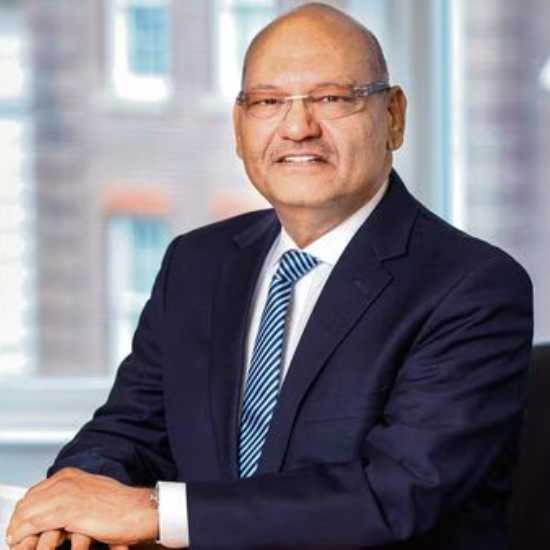
अनिल अग्रवाल
(अनिल)
| जन्म तिथि | 24 January 1954 |
| जन्म स्थान | पटना, बिहार, भारत |
| पिता | द्वारका प्रसाद अग्रवाल |
| जीवनसंगी | किरण अग्रवाल |
| बच्चे | बेटे का नाम अग्निश अग्रवाल, बेटी प्रिय अग्रवाल |
| शिक्षा | मिलर हाई स्कूल, पटना, भारत और सर गणेश दत्त पाटलिपुत्र हाई स्कूल, बिहार कॉलेज मालवीय रीजनल इंजीनियरिंग कॉलेज |
| राष्ट्रीयता | भारतीय |
| धर्म | हिन्दू |
अनिल अग्रवाल – जीवन परिचय--
“कबाड़ से साम्राज्य तक का सफर”
प्रारंभिक जीवन और पारिवारिक पृष्ठभूमि--
अनिल अग्रवाल का जन्म 24 जनवरी 1954 को बिहार की राजधानी पटना में एक साधारण मारवाड़ी व्यापारी परिवार में हुआ। उनके पिता, द्वारका प्रसाद अग्रवाल, एक छोटे पैमाने के एल्युमिनियम कंडक्टर बनाने का व्यवसाय चलाते थे। माँ एक गृहिणी थीं, जिन्होंने अपने बच्चों को संस्कार, अनुशासन और कड़ी मेहनत का महत्व सिखाया।
अनिल बचपन से ही तेज-तर्रार, साहसी और कुछ अलग करने की सोच रखने वाले थे। उनका बचपन बिहार की गलियों में खेलते-कूदते और अपने पिता के छोटे कारखाने में मशीनों के बीच गुजरता था। यही से उनके मन में धातु और उद्योगों के प्रति एक अजीब-सी जिज्ञासा पैदा हुई।
शिक्षा के लिए उन्होंने पटना के मिलर हाई स्कूल में पढ़ाई की। पढ़ाई में औसत होने के बावजूद, वे व्यवहारिक ज्ञान में हमेशा आगे रहे। उन्होंने इंटरमीडिएट तक की पढ़ाई की, लेकिन पारंपरिक डिग्री लेने में उनकी रुचि कम थी। 19 साल की उम्र में उन्होंने कॉलेज छोड़ दिया और व्यापार की दुनिया में कदम रखने का फैसला किया।
संघर्ष की शुरुआत – पटना से मुंबई तक का सफर--
1970 के दशक में, अनिल ने तय किया कि उन्हें कुछ बड़ा करना है। उस समय बिहार में उद्योगों के अवसर सीमित थे, जबकि मुंबई देश की आर्थिक राजधानी मानी जाती थी। केवल एक सूटकेस, ₹1,700 रुपये, और ढेर सारा आत्मविश्वास लेकर वे 1976 में मुंबई पहुंच गए।
मुंबई में शुरुआती दिन बेहद कठिन थे। वे एक छोटे से किराए के कमरे में रहते, लोकल ट्रेन में सफर करते, और लोगों से मिलने के लिए घंटों इंतज़ार करते। शुरुआत में उन्होंने स्क्रैप मेटल (धातु का कबाड़) का व्यापार शुरू किया—पुरानी मशीनें, तार और तांबा खरीदकर बेचते थे।
अनिल ने जल्दी ही समझ लिया कि भारत में तांबे और एल्युमिनियम की भारी मांग है, लेकिन घरेलू उत्पादन कम है। यह उनके भविष्य के साम्राज्य का पहला बीज था।
Sterlite Industries की स्थापना--
1976 में ही उन्होंने शमशेर स्टर्लिंग कॉर्पोरेशन नामक कंपनी खरीदी, जो औद्योगिक प्रयोजनों के लिए तांबे के पुर्जे बनाती थी। 1986 में उन्होंने इसे Sterlite Industries में बदल दिया।
Sterlite ने टेलीफोन और इलेक्ट्रिकल केबल्स का निर्माण शुरू किया और कुछ ही वर्षों में भारत में इनका बड़ा नाम हो गया।
1988 में Sterlite Industries ने अपना IPO (Initial Public Offering) लॉन्च किया। यह उनके करियर का पहला बड़ा मोड़ था। IPO से जुटाई गई पूंजी का इस्तेमाल उन्होंने एक आधुनिक कॉपर स्मेल्टर प्लांट लगाने में किया।
अधिग्रहण की रणनीति – संघर्षरत कंपनियों को बचाना--
अनिल की खासियत रही है—मुश्किल में पड़ी कंपनियों को खरीदना और उन्हें मुनाफे में बदलना।
- 1995: उन्होंने तमिलनाडु स्थित Madras Aluminium Company (MALCO) का अधिग्रहण किया।
- 2001: भारत सरकार से Bharat Aluminium Company (BALCO) खरीदी।
- 2002: Hindustan Zinc Limited (HZL) में 65% हिस्सेदारी हासिल की।
- इन अधिग्रहणों ने Vedanta को देश की सबसे बड़ी धातु उत्पादक कंपनी बना दिया।
Vedanta Resources Plc और अंतरराष्ट्रीय मंच पर प्रवेश--
2003 में अनिल अग्रवाल ने अपनी कंपनियों को मिलाकर Vedanta Resources Plc बनाई और इसे London Stock Exchange (LSE) में सूचीबद्ध कराया।
यह पहली बार था जब किसी भारतीय उद्यमी ने अपनी कंपनी को LSE में लिस्ट किया। इससे उन्हें वैश्विक निवेशकों का समर्थन मिला और कंपनी को अंतरराष्ट्रीय पहचान मिली।
अनिल अग्रवाल – परिवार
पिता का नाम: द्वारका प्रसाद अग्रवाल
पटना में एक छोटे पैमाने के एल्युमिनियम कंडक्टर बनाने का काम करते थे।
सादगी और मेहनत के प्रतीक थे, जिनसे अनिल ने व्यावसायिक नैतिकता सीखी।
माता का नाम: नाम सार्वजनिक रूप से उपलब्ध नहीं, लेकिन अनिल अपने हर इंटरव्यू में बताते हैं कि मां का संस्कार और आशीर्वाद उनकी सफलता की असली ताकत है।
अनिल अग्रवाल के कई भाई-बहन हैं, लेकिन मीडिया में मुख्य रूप से उनके भाई नवीन अग्रवाल का नाम आता है, जो वेदांता ग्रुप में सक्रिय रूप से जुड़े हुए हैं।
परिवार में सभी सदस्य व्यापार और समाजसेवा से जुड़े हुए हैं।
पत्नी का नाम: किरण अग्रवाल
अत्यंत सादगीपूर्ण और मीडिया से दूर रहने वाली महिला हैं।
अनिल के परोपकारी कार्यों में उनका भी गहरा योगदान है।
पुत्र: अग्रवाल परिवार के बेटे का नाम अग्निश अग्रवाल है।
पुत्री: उनकी बेटी प्रिय अग्रवाल लंदन में पढ़ाई और सामाजिक कार्य से जुड़ी हुई हैं।
परिवार पूरी तरह से भारतीय संस्कृति और परंपराओं में विश्वास रखता है।
बड़े त्योहारों पर आज भी पटना और अपने पुश्तैनी घर जाते हैं।
भोजन में घर का बना साधारण भारतीय खाना पसंद करते हैं।
उनका मानना है—
“परिवार सिर्फ़ रिश्तों का नाम नहीं, बल्कि वो ऊर्जा है जो आपको हर मुश्किल में आगे बढ़ाती है।”
वैश्विक विस्तार--
- Vedanta ने अंतरराष्ट्रीय बाजारों में तेजी से कदम बढ़ाए—
- Zambia: Konkola Copper Mines का अधिग्रहण।
- Goa: Sesa Goa (लोहे की खदान) की खरीद।
- 2011: Cairn India का अधिग्रहण, जिससे वे तेल-गैस सेक्टर में आ गए।
- 2012: Sesa Goa और Sterlite का विलय।
चुनौतियाँ और विवाद--
Vedanta का सफर बिना विवादों के नहीं रहा।
पर्यावरण से जुड़े मुद्दे।
ओडिशा के निंमगिरी में खनन विवाद।
कर्ज का बोझ और कॉर्पोरेट गवर्नेंस पर सवाल।
लेकिन अनिल अग्रवाल हमेशा कहते हैं—
“व्यापार में चुनौतियाँ आना जरूरी है, वरना आप सीखेंगे कैसे?”
सामाजिक सेवा और परोपकार--
1992 में उन्होंने Vedanta Foundation शुरू की। इसके अंतर्गत—
Nand Ghar प्रोजेक्ट: देशभर में 3,700+ आधुनिक आंगनवाड़ी केंद्र।
शिक्षा, स्वास्थ्य, महिला सशक्तिकरण पर करोड़ों रुपये खर्च।
“Giving Pledge” में शामिल होकर अपनी संपत्ति का 75% दान करने का संकल्प।
व्यक्तिगत जीवन और व्यक्तित्व--
अनिल अग्रवाल शादीशुदा हैं और उनके दो बच्चे हैं। वे बेहद सरल जीवन जीते हैं, ज्यादातर समय साधारण भारतीय भोजन करते हैं और मां की दी हुई सीख को अपनी सबसे बड़ी पूंजी मानते हैं।
वे सोशल मीडिया पर सक्रिय रहते हैं और प्रेरणात्मक कहानियाँ साझा करते हैं।
नवीनतम पहल--
हाल के वर्षों में वे भारत को सेमीकंडक्टर निर्माण में आत्मनिर्भर बनाने की दिशा में काम कर रहे हैं। उन्होंने गुजरात में Foxconn के साथ एक प्रोजेक्ट की घोषणा की, हालांकि इसमें कुछ तकनीकी चुनौतियाँ आईं।
व्यावसायिक उड़ान--
- 1976: शमशेर स्टर्लिंग कॉर्पोरेशन खरीदी
- 1986: Sterlite Industries की स्थापना
- 1995-2002: Madras Aluminium, BALCO, Hindustan Zinc के अधिग्रहण
- 2003: Vedanta Resources Plc, लंदन स्टॉक एक्सचेंज में लिस्टिंग
यह सब उन्हें अरबपति की श्रेणी में ले आया—लेकिन उनकी सोच हमेशा "मैंने कमाया ताकि मैं दे सकूँ" वाली रही।
दान और परोपकार की दिशा में कदम--
(क) वेदांता फाउंडेशन (1992)
अनिल अग्रवाल ने महसूस किया कि भारत में करोड़ों लोग शिक्षा और स्वास्थ्य सुविधाओं से वंचित हैं। उन्होंने Vedanta Foundation बनाई, जो ग्रामीण क्षेत्रों में स्कूल, स्वास्थ्य शिविर और रोजगार प्रशिक्षण केंद्र चलाती है।
(ख) नंद घर प्रोजेक्ट
आधुनिक आंगनवाड़ी केंद्र
बच्चों के लिए पौष्टिक भोजन, ई-लर्निंग सुविधाएँ
महिलाओं को सिलाई-कढ़ाई, डिजिटल स्किल ट्रेनिंग
अब तक 3700+ नंद घर देश के कई राज्यों में बन चुके हैं।
(ग) Giving Pledge
2014 में उन्होंने बिल गेट्स और वॉरेन बफेट की पहल Giving Pledge से जुड़कर अपनी 75% संपत्ति दान करने का संकल्प लिया।
अनुमान है कि यह रकम ₹55,000 करोड़ से अधिक होगी।
(घ) COVID-19 सहायता
महामारी के दौरान वेदांता ने ₹201 करोड़ का योगदान दिया—ऑक्सीजन प्लांट, PPE किट और प्रवासी मजदूरों के लिए भोजन।
प्रेरणादायक किस्से--
दही-चीनी और माँ का आशीर्वाद
अनिल ने कई बार कहा कि वे बड़े सौदों से पहले मां के हाथ से खाई दही-चीनी को अपनी सबसे बड़ी ताकत मानते हैं।
वे मानते हैं—भाग्य और आशीर्वाद, दोनों का संगम सफलता देता है।
गांव की याद
अपने गांव लौटने पर वे कहते हैं—
“मैं जो कुछ भी हूँ, इस मिट्टी की वजह से हूँ। अब मेरी जिम्मेदारी है कि मैं इसी मिट्टी के बच्चों का भविष्य बदलूँ।”
शिक्षा के क्षेत्र में योगदान--
ग्रामीण स्कूलों में स्मार्ट क्लास
स्कॉलरशिप प्रोग्राम: हर साल हज़ारों छात्रों को आर्थिक मदद
IIT और मेडिकल कॉलेजों के लिए गरीब छात्रों की तैयारी में सहायता
स्वास्थ्य और पोषण--
नंद घर में पोषण आहार कार्यक्रम
मुफ्त चिकित्सा शिविर और मोबाइल हेल्थ वैन
मातृ एवं शिशु मृत्यु दर कम करने के लिए प्रोजेक्ट
“व्यापार लाभ के लिए, पर जीवन सेवा के लिए”--
अनिल अग्रवाल का मानना है कि CSR (Corporate Social Responsibility) सिर्फ़ नियम पालन के लिए नहीं, बल्कि दिल से होना चाहिए।
वे कहते हैं—
“पैसा कमाना आसान है, पर सही जगह खर्च करना कठिन। मैं चाहता हूँ कि मेरा पैसा मेरी आखिरी सांस के बाद भी किसी के चेहरे पर मुस्कान लाए।”
वर्तमान और भविष्य की योजनाएँ--
- 10,000 नंद घर का लक्ष्य
- भारत को सेमीकंडक्टर निर्माण में आत्मनिर्भर बनाना
- हर राज्य में स्वास्थ्य और शिक्षा के बड़े प्रोजेक्ट
अनिल अग्रवाल – रोचक जानकारियाँ--
₹1,700 और एक सूटकेस के साथ मुंबई आए
अनिल अग्रवाल 19 साल की उम्र में पटना से मुंबई सिर्फ़ ₹1,700 और एक सूटकेस लेकर आए थे।
कबाड़ से शुरुआत
उन्होंने शुरुआत कबाड़ (स्क्रैप मेटल) के कारोबार से की—पुराने तार और मशीनें खरीदकर बेचते थे।
पहले भारतीय जिन्होंने LSE में कंपनी लिस्ट कराई
Vedanta Resources Plc लंदन स्टॉक एक्सचेंज में लिस्ट होने वाली पहली भारतीय कंपनी बनी, जिसे किसी भारतीय ने प्रमोट किया था।
दान का संकल्प
अनिल अग्रवाल ने अपनी 75% संपत्ति दान करने का संकल्प लिया है, जिसकी कीमत ₹55,000 करोड़ से भी ज्यादा है।
नंद घर का सपना
वे देशभर में 10,000 से ज्यादा “नंद घर” (आधुनिक आंगनवाड़ी केंद्र) बनाने का लक्ष्य रखते हैं।
मां की दही-चीनी
बड़े से बड़ा सौदा करने से पहले वे मां के हाथ से खाई दही-चीनी को शुभ मानते हैं।
गांव की मिट्टी से जुड़ाव
अरबपति बनने के बाद भी अपने गांव जाते हैं और कहते हैं—“मैं जो भी हूँ, इस मिट्टी की वजह से हूँ।”
बिल गेट्स और वॉरेन बफेट की पहल से जुड़े
2014 में उन्होंने Giving Pledge साइन किया, जिसमें अरबपति अपनी संपत्ति का बड़ा हिस्सा समाज के लिए दान करते हैं।
COVID-19 में बड़ा योगदान
महामारी के दौरान ₹201 करोड़ का योगदान—ऑक्सीजन, PPE किट और प्रवासी मजदूरों के लिए मदद।
सादगीपूर्ण जीवनशैली
करोड़ों की संपत्ति होने के बावजूद वे सादा खाना पसंद करते हैं और अक्सर घर का बना भारतीय भोजन करते हैं।
प्रश्नोत्तर – दानवीर अनिल अग्रवाल--
प्रश्न 1: अनिल अग्रवाल कौन हैं?
उत्तर: अनिल अग्रवाल वेदांता ग्रुप के संस्थापक और चेयरमैन हैं। वे भारत के जाने-माने उद्योगपति और परोपकारी (दानवीर) हैं, जिन्होंने अपनी 75% संपत्ति समाज सेवा के लिए दान करने का संकल्प लिया है।
प्रश्न 2: अनिल अग्रवाल का जन्म कब और कहाँ हुआ?
उत्तर: उनका जन्म 24 जनवरी 1954 को बिहार के पटना में हुआ।
प्रश्न 3: उन्होंने अपना करियर कैसे शुरू किया?
उत्तर: उन्होंने 19 साल की उम्र में पढ़ाई छोड़कर मुंबई आकर स्क्रैप मेटल (कबाड़) के कारोबार से शुरुआत की।
प्रश्न 4: वेदांता ग्रुप की स्थापना कब हुई?
उत्तर: 2003 में उन्होंने अपनी कंपनियों को मिलाकर Vedanta Resources Plc बनाई और इसे लंदन स्टॉक एक्सचेंज में लिस्ट कराया।
प्रश्न 5: Giving Pledge क्या है और इसमें उनका योगदान क्या है?
उत्तर: Giving Pledge एक वैश्विक पहल है जिसमें अरबपति अपनी संपत्ति का बड़ा हिस्सा परोपकार में देने का वचन देते हैं। अनिल अग्रवाल ने अपनी 75% संपत्ति दान करने का संकल्प लिया है।
प्रश्न 6: नंद घर प्रोजेक्ट क्या है?
उत्तर: नंद घर एक आधुनिक आंगनवाड़ी प्रोजेक्ट है जो बच्चों को शिक्षा, पौष्टिक आहार और महिलाओं को कौशल प्रशिक्षण प्रदान करता है। अब तक 3700+ नंद घर बनाए जा चुके हैं।
प्रश्न 7: अनिल अग्रवाल की सफलता का मंत्र क्या है?
उत्तर: वे कहते हैं—
“पैसा कमाना आसान है, पर सही जगह खर्च करना कठिन। मेरी कोशिश है कि मेरी कमाई से लोगों के चेहरे पर मुस्कान आए।”
प्रश्न 8: COVID-19 महामारी में उनका योगदान क्या था?
उत्तर: उन्होंने ₹201 करोड़ की मदद दी, जिसमें ऑक्सीजन प्लांट, PPE किट और प्रवासी मजदूरों के लिए भोजन शामिल था।
प्रश्न 9: उनकी सबसे प्रेरणादायक आदत क्या है?
उत्तर: बड़े सौदे से पहले वे मां के हाथ से खाई दही-चीनी को शुभ मानते हैं।
प्रश्न 10: अनिल अग्रवाल का दीर्घकालिक सपना क्या है?
उत्तर: देशभर में 10,000 नंद घर बनाना और भारत को शिक्षा व स्वास्थ्य के क्षेत्र में आत्मनिर्भर बनाना।
Anil Agarwal – Biography--
“The Journey from Scrap to Empire”
Early Life and Family Background--
Anil Agarwal was born on January 24, 1954, in Patna, Bihar, into a modest Marwari business family. His father, Dwarka Prasad Agarwal, ran a small-scale business manufacturing aluminum conductors. His mother was a homemaker who instilled in her children values of discipline, ethics, and hard work.
From childhood, Anil was sharp-minded, courageous, and thought differently from his peers. He grew up playing in the streets of Bihar and spending time around machines in his father’s small workshop. This environment sparked his curiosity about metals and industry.
He attended Miller High School in Patna. While his academic performance was average, he excelled in practical knowledge. After completing his intermediate studies, he lost interest in a conventional degree. At the age of 19, he left college and decided to step into the world of business.
Struggle – From Patna to Mumbai--
In the 1970s, Anil decided to aim higher. Bihar had limited industrial opportunities, while Mumbai was the financial capital of India. In 1976, carrying just ₹1,700 and a suitcase, he arrived in Mumbai with confidence and ambition.
His early days in Mumbai were challenging. He lived in a small rented room, traveled by local trains, and often waited hours to meet potential clients. He started with scrap metal trading—buying and selling old machinery, wires, and copper.
He quickly realized that India had a huge demand for copper and aluminum but limited domestic production—planting the first seed of his future empire.
Foundation of Sterlite Industries--
In 1976, he purchased Shamsher Sterling Corporation, which made copper parts for industrial use. In 1986, it was renamed Sterlite Industries.
Sterlite began manufacturing telephone and electrical cables, soon becoming a big name in India.
In 1988, Sterlite Industries launched its IPO (Initial Public Offering)—the first major turning point in his career. The funds raised were used to set up a modern copper smelter plant.
Acquisition Strategy – Turning Struggling Companies into Profits--
Anil became known for acquiring struggling companies and reviving them:
-
1995: Acquired Madras Aluminium Company (MALCO) in Tamil Nadu.
-
2001: Bought Bharat Aluminium Company (BALCO) from the Government of India.
-
2002: Acquired 65% stake in Hindustan Zinc Limited (HZL).
These moves turned Vedanta into India’s largest metal producer.
Vedanta Resources Plc – Global Recognition--
In 2003, Anil merged his companies to form Vedanta Resources Plc and listed it on the London Stock Exchange (LSE)—becoming the first Indian entrepreneur to do so. This gave the company international visibility and attracted global investors.
Family--
-
Father: Dwarka Prasad Agarwal – A small-scale aluminum conductor manufacturer in Patna, who inspired Anil’s business ethics.
-
Mother: Name not public, but Anil credits her blessings and teachings for his success.
-
Brother: Navin Agarwal – Actively involved in Vedanta Group.
-
Wife: Kiran Agarwal – Simple and media-shy, deeply involved in philanthropic work.
-
Son: Agnish Agarwal
-
Daughter: Priya Agarwal – Based in London, engaged in social work.
The family believes strongly in Indian culture and traditions, celebrating festivals together in their ancestral home in Patna.
Global Expansion--
Vedanta expanded internationally:
-
Zambia: Acquired Konkola Copper Mines.
-
Goa: Purchased Sesa Goa (iron ore mining).
-
2011: Acquired Cairn India, entering the oil and gas sector.
-
2012: Merged Sesa Goa and Sterlite.
Challenges and Controversies--
Vedanta faced:
-
Environmental issues
-
Niyamgiri mining controversy in Odisha
-
Debt burden and governance questions
Anil remains optimistic, saying:
“Challenges are essential in business—otherwise, how will you learn?”
Philanthropy and Social Work--
In 1992, Anil founded the Vedanta Foundation. Its major initiatives include:
-
Nand Ghar Project: Over 3,700 modern anganwadi centers across India.
-
Spending hundreds of crores on education, health, and women empowerment.
-
Joining The Giving Pledge, committing to donate 75% of his wealth to charity.
Personal Life and Personality--
Anil lives a simple life, prefers home-cooked Indian meals, and values his mother’s blessings above all. He is active on social media, sharing inspirational stories.
Recent Initiatives--
-
Working on making India self-reliant in semiconductor manufacturing.
-
Announced a project with Foxconn in Gujarat (faced technical challenges).
Major Business Milestones--
-
1976: Bought Shamsher Sterling Corporation
-
1986: Founded Sterlite Industries
-
1995–2002: Acquired MALCO, BALCO, HZL
-
2003: Formed Vedanta Resources Plc, listed on LSE
Philanthropic Highlights--
(a) Vedanta Foundation (1992) – Schools, health camps, job training centers in rural areas.
(b) Nand Ghar Project – Nutrition, e-learning, and skill training for women.
(c) Giving Pledge (2014) – Committed over ₹55,000 crore to charity.
(d) COVID-19 Aid – Donated ₹201 crore for oxygen plants, PPE kits, and migrant worker support.
Inspiring Stories--
-
Curd-Sugar Ritual – Before big deals, he eats curd with sugar made by his mother.
-
Village Connection – Visits his native village, saying:
“Whatever I am today, I owe to this soil.”
Educational Contributions--
-
Smart classes in rural schools
-
Scholarships for underprivileged students
-
Support for IIT/medical aspirants from poor families
Health and Nutrition Initiatives--
-
Nutrition programs in Nand Ghars
-
Free medical camps and mobile health vans
-
Maternal and child health projects
Vision for the Future--
-
Build 10,000 Nand Ghars
-
Make India self-reliant in semiconductors
-
Large-scale projects in health and education in every state
Interesting Facts about Anil Agarwal--
-
Came to Mumbai at 19 with ₹1,700 and a suitcase
-
Started business in scrap metal trading
-
First Indian to list a company on LSE
-
Committed to donate 75% of his wealth
-
Dreams of 10,000 Nand Ghars nationwide
-
Keeps the tradition of eating curd-sugar before big deals
-
Strong bond with his village despite being a billionaire
-
Joined Bill Gates and Warren Buffett’s Giving Pledge in 2014
-
Contributed ₹201 crore during COVID-19 crisis
-
Lives simply despite immense wealth
Q&A – Philanthropist Anil Agarwal--
Q1: Who is Anil Agarwal?
A: Founder and Chairman of Vedanta Group, known for committing 75% of his wealth to philanthropy.
Q2: When and where was he born?
A: January 24, 1954, in Patna, Bihar.
Q3: How did he start his career?
A: At 19, he left college, moved to Mumbai, and started trading scrap metal.
Q4: When was Vedanta Group founded?
A: 2003, by merging his companies and listing Vedanta Resources Plc on LSE.
Q5: What is The Giving Pledge and his role in it?
A: A global initiative where billionaires pledge a large part of their wealth to charity; Anil pledged 75% of his wealth.
Q6: What is the Nand Ghar Project?
A: A modern anganwadi initiative providing nutrition, education, and skill training.
Q7: What is his success mantra?
A: “Earning money is easy, but spending it in the right place is hard.”
Q8: How did he help during COVID-19?
A: Donated ₹201 crore for medical supplies and migrant worker relief.
Q9: His most inspiring habit?
A: Eating curd with sugar made by his mother before big business deals.
Q10: His long-term dream?
A: Build 10,000 Nand Ghars and make India self-reliant in education and healthcare.