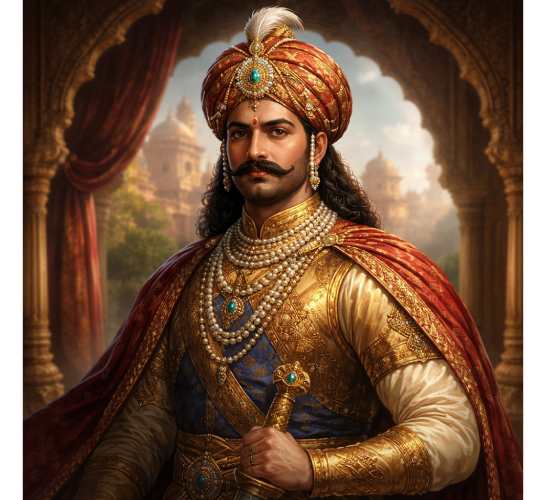
महाराजा जसवंत सिंह
(राजपूताना का शेर)
| जन्म तिथि | 26 December 1626 |
| जन्म स्थान | बुरहानपुर (मध्य प्रदेश), भारत |
| निवास स्थान | बुरहानपुर (मध्य प्रदेश), भारत |
| पिता | महाराजा गज सिंह राठौड़ |
| माता | रानी परतापदे (रुक्मावती बाई) |
| वैवाहिक हि. | विवाहित |
| बच्चे | पृथ्वी सिंह (मृत्यु 1665-66 के आसपास) जगत सिंह (मृत्यु 1676) अजीत सिंह (जन्म पोस्टमॉर्टम, मृत्यु के बाद, 1678-79 में काबुल में) |
| राष्ट्रीयता | भारतीय |
| धर्म | हिन्दू |
| मृत्यु | 28 नवंबर 1678 (कुछ स्रोत 28 दिसंबर 1678) को जमरूद (पेशावर के पास, अफगानिस्तान) |
मारवाड़ के महाराजा — जसवंत सिंह राठौड़ की जीवनी—
महाराजा जसवंत सिंह राठौड़ मारवाड़ (जोधपुर) के एक महान राठौर वंशीय शासक थे, जिनका नाम भारतीय इतिहास में वीरता, राजपूत गौरव, मुगल साम्राज्य के साथ जटिल संबंधों और धर्म रक्षा के लिए अमर है। वे 17वीं शताब्दी के मध्य में हुए, जब मुगल साम्राज्य अपने चरम पर था और औरंगजेब जैसे शासक हिंदू धर्म पर अत्याचार कर रहे थे। जसवंत सिंह ने अपने जीवन में मुगलों की सेवा की, युद्ध लड़े, लेकिन मारवाड़ की स्वाभिमान और हिंदू धर्म की रक्षा के लिए दृढ़ रहे। उनकी मृत्यु के बाद उनके पुत्र अजीत सिंह की रक्षा में वीर दुर्गादास राठौड़ ने जो अद्भुत त्याग और संघर्ष किया, वह राजस्थान के इतिहास का स्वर्णिम अध्याय है।
जन्म और प्रारंभिक जीवन—
महाराजा जसवंत सिंह राठौड़ का जन्म 26 दिसंबर 1626 (कुछ स्रोतों में 1629) को बुरहानपुर (मध्य प्रदेश, दक्कन क्षेत्र) में हुआ था। उस समय उनके पिता महाराजा गज सिंह राठौड़ मुगल सम्राट शाहजहाँ की सेवा में थे और बुरहानपुर में तैनात थे। उनकी माता रानी परतापदे (रुक्मावती बाई) मेवाड़ के प्रसिद्ध शक्तिसिंह की वंशज थीं, जो महाराणा प्रताप के भाई थे। इस प्रकार जसवंत सिंह में राठौर और सिसोदिया दोनों वंशों का खून था, जो उन्हें राजपूताना की दो प्रमुख शक्तियों से जोड़ता था।
बचपन से ही जसवंत सिंह में वीरता, बुद्धिमत्ता और न्यायप्रियता के लक्षण दिखाई देने लगे। वे शस्त्र विद्या, घुड़सवारी, राजनीति और साहित्य में निपुण थे। वे संस्कृत, ब्रज और राजस्थानी भाषाओं के ज्ञाता थे और स्वयं ग्रंथ रचते थे।
1637 में युवा अवस्था में वे अपने पिता के साथ मुगल दरबार में पहुँचे, जहाँ शाहजहाँ ने उन्हें सम्मान दिया। 1638 में पिता गज सिंह के बाद जसवंत सिंह को मारवाड़ का शासक बनाया गया। 6 मई 1638 को उन्होंने गद्दी संभाली और 30 अप्रैल 1640 को औपचारिक राज्याभिषेक हुआ। शाहजहाँ ने उन्हें 4000 जात और 4000 सवार की मनसब दी, जो उस समय बहुत ऊँची थी।
शासनकाल की शुरुआत और मुगल सेवा—
जसवंत सिंह का शासनकाल 1638 से 1678 तक रहा (लगभग 40 वर्ष)।
वे मुगल साम्राज्य के एक प्रमुख सरदार थे, लेकिन हमेशा मारवाड़ के हितों को प्राथमिकता देते थे। उन्होंने कई अभियानों में मुगलों की ओर से नेतृत्व किया:
बादशाह शाहजहाँ के समय: उन्होंने दक्कन, कंधार और अन्य क्षेत्रों में मुगल सेना का नेतृत्व किया। 1652 में उन्हें महाराजा की उपाधि मिली।
1655 में: शाहजहाँ ने उन्हें विशेष सम्मान दिया।
उनका सबसे प्रसिद्ध युद्ध धरमत का युद्ध (1658) था। मुगल उत्तराधिकार युद्ध में उन्होंने दाराशिकोह का साथ दिया, लेकिन औरंगजेब और मुराद की संयुक्त सेना से हार गए। इस युद्ध में जसवंत सिंह की सेना ने बहादुरी दिखाई, लेकिन राजनीतिक चालों के कारण वे हार गए। औरंगजेब ने उन्हें क्षमा किया और फिर से मनसब बहाल की, क्योंकि उनकी वीरता और सेना की ताकत से मुगलों को डर था।
औरंगजेब के साथ संबंध और संघर्ष—
औरंगजेब के शासन में जसवंत सिंह का रिश्ता जटिल था। वे मुगल मनसबदार थे, लेकिन औरंगजेब के हिंदू विरोधी नीतियों (जैसे मंदिर तोड़ना, जजिया कर) का विरोध करते थे। जब तक जसवंत सिंह जीवित थे, औरंगजेब राजस्थान में इन नीतियों को लागू नहीं कर सका। औरंगजेब ने कहा था कि
"जसवंत सिंह के जीते जी हिंदुओं पर जजिया नहीं लग सकता"।
- 1660-70 के दशक में: उन्हें गुजरात, अफगानिस्तान (काबुल, जमरूद) में तैनात किया गया। वे अफगान विद्रोह दबाने में लगे रहे।
- 1671: औरंगजेब ने उन्हें खिलअत और उपहार दिए।
- 1674: औरंगजेब से मुलाकात हुई।
- 1676: उनके पुत्र जगत सिंह की मृत्यु हुई, जिससे वे बहुत दुखी हुए।
व्यक्तित्व और योगदान—
जसवंत सिंह केवल योद्धा नहीं थे, बल्कि विद्वान भी थे। उन्होंने निम्न ग्रंथ रचे:
- सिद्धांत बोध (दर्शन और नीति पर)
- आनंद विलास (काव्य)
- भाषा भूषण (भाषा विज्ञान)
वे उदार, न्यायप्रिय, कट्टर हिंदू और सनातनी थे। उनके दरबार में कवि, विद्वान और योद्धा फलते-फूलते थे।
परिवार और उत्तराधिकार
पिता: महाराजा गज सिंह
पुत्र:—
- पृथ्वी सिंह (मृत्यु 1665-66 के आसपास)
- जगत सिंह (मृत्यु 1676)
- अजीत सिंह (जन्म पोस्टमॉर्टम, मृत्यु के बाद, 1678-79 में काबुल में)
मृत्यु के समय अजीत सिंह का जन्म हुआ।
मृत्यु—
28 नवंबर 1678 (कुछ स्रोत 28 दिसंबर 1678) को जमरूद (पेशावर के पास, अफगानिस्तान) में उनकी मृत्यु हुई। वे 52 वर्ष के थे। उनकी मृत्यु की खबर सुनकर औरंगजेब ने कहा:
"अब धर्म विरोध का द्वार खुल गया है।"
उनकी मृत्यु के बाद मारवाड़ संकट में पड़ गया। औरंगजेब ने मारवाड़ पर कब्जा करने की कोशिश की, जजिया लगाया, मंदिर तोड़े। लेकिन वीर दुर्गादास राठौड़ ने अजीत सिंह को बचाकर 20+ वर्ष संघर्ष किया और मारवाड़ को स्वतंत्र कराया।
ऐतिहासिक महत्व—
जसवंत सिंह राजपूत स्वाभिमान के प्रतीक हैं। उन्होंने मुगलों की सेवा की लेकिन कभी झुके नहीं। उनकी वीरता से औरंगजेब डरता था। उनके शासन में मारवाड़ मजबूत हुआ, सेना विशाल बनी। उनकी मृत्यु के बाद हुआ संघर्ष राजपूत इतिहास का सबसे प्रेरणादायक अध्याय है।
वे एक ऐसे शासक थे जिन्होंने कहा जाता है कि "राजपूताना का शेर" थे। उनका जीवन साहस, धर्म रक्षा और स्वाभिमान की मिसाल है।
उनका जन्म 26 दिसंबर 1626 (कुछ स्रोतों में 1629) को बुरहानपुर (मध्य प्रदेश) में हुआ, क्योंकि उनके पिता गज सिंह मुगल सेवा में दक्कन में तैनात थे।
वे राठौर वंश के थे, लेकिन माता के माध्यम से मेवाड़ के सिसोदिया वंश से भी जुड़े थे (माता रानी परतापदे, महाराणा प्रताप के भाई शक्तिसिंह की वंशज)।
मात्र 12 वर्ष की उम्र में 1638 में उन्होंने मारवाड़ की गद्दी संभाली।
रोचक जानकारी —
- शाहजहाँ ने उन्हें विशेष फरमान से गद्दी दी, क्योंकि उनके बड़े भाई अमर सिंह क्रोधी स्वभाव के थे।
- वे मुगल मनसब में सबसे ऊँचे राजपूत सरदारों में से एक थे – 7000 जात और 7000 सवार तक पहुँची।
- 1655 में शाहजहाँ ने उन्हें महाराजा की उपाधि दी।
- वे न केवल योद्धा थे, बल्कि प्रसिद्ध लेखक भी – उन्होंने सिद्धांत बोध, आनंद विलास, भाषा भूषण, अपरीक्ष सिद्धांत, अनुभव प्रकाश आदि ग्रंथ रचे।
- धरमत का युद्ध (1658) में उन्होंने दाराशिकोह का साथ दिया और औरंगजेब से सीधा मुकाबला किया।
- धरमत युद्ध में उनकी सेना ने औरंगजेब की हरावल को तोड़ दिया, लेकिन राजनीतिक चालों से हार गए।
- युद्ध में कई प्रसिद्ध राजपूत सरदार वीरगति को प्राप्त हुए, जैसे शाहपुरा के सुजान सिंह सिसोदिया, राज सिंह राठौड़ आदि।
- औरंगजेब ने उन्हें हार के बाद भी क्षमा किया, क्योंकि उनकी वीरता से डरते थे।
- औरंगजेब के शासन में वे गुजरात, काबुल, अफगानिस्तान के सूबेदार रहे।
- औरंगजेब ने कहा था – "जसवंत सिंह के जीते जी राजस्थान में जजिया नहीं लग सकता"।
- उनके जीते जी औरंगजेब राजस्थान में बड़े पैमाने पर मंदिर नहीं तोड़ सका।
- वे हिंदू धर्म के कट्टर रक्षक थे और उदार स्वभाव के।
- उनके दरबार में कवि, विद्वान और योद्धा फलते-फूले।
- उन्होंने जोधपुर किले में अनार का बाग (पomegranate garden) लगवाया।
- दक्षिण भारत में मुगल अभियानों के दौरान कई शहर बसाए।
- उनके पुत्र पृथ्वी सिंह की मृत्यु (1665-66) से वे बहुत दुखी हुए।
- दूसरा पुत्र जगत सिंह की मृत्यु 1676 में हुई।
- मृत्यु के समय उनकी रानी गर्भवती थी – पुत्र अजीत सिंह का जन्म उनके देहांत के बाद हुआ।
- मृत्यु 28 नवंबर 1678 (कुछ स्रोत 28 दिसंबर) को जमरूद (पेशावर के पास) में अफगान विद्रोह दबाते हुए हुई।
- उनकी मृत्यु पर औरंगजेब ने कहा – "अब हिंदुओं पर जजिया लगाने का रास्ता खुल गया"।
- मृत्यु के बाद औरंगजेब ने मारवाड़ पर कब्जा करने की कोशिश की।
- उनकी रानियों ने सती होने की कोशिश की, लेकिन सरदारों ने रोका।
- वीर दुर्गादास राठौड़ ने अजीत सिंह को बचाने के लिए 20+ वर्ष संघर्ष किया।
- दुर्गादास ने अजीत सिंह को दिल्ली से भगाकर राजस्थान लौटाया।
- जसवंत सिंह संस्कृत, ब्रज और राजस्थानी भाषाओं के ज्ञाता थे।
- वे नीति, दर्शन और काव्य के ग्रंथ लिखते थे।
- आनंद विलास उनकी प्रसिद्ध काव्य रचना है।
- भाषा भूषण भाषा विज्ञान पर उनका ग्रंथ है।
- वे दानशील थे – दरबार में विद्वानों को सम्मान देते थे।
- गुजरात सूबेदारी में उन्होंने बादशाही खजाने से खर्च निकाला, जिससे औरंगजेब नाराज हुए और उन्हें काबुल भेज दिया।
- काबुल में अफगान विद्रोहियों से कई बार युद्ध लड़े।
- धरमत युद्ध में उन्होंने राजपूत परंपरा के अनुसार रात में छापेमारी नहीं की, सीधा सामना चुना।
- उनके साथ कासिम खाँ की सेना भी थी, लेकिन कुछ सरदार भाग गए।
- वे मेवाड़ और मारवाड़ दोनों की विरासत के धनी थे।
- उनके शासन में मारवाड़ की सेना बहुत मजबूत हुई।
- औरंगजेब उन्हें खिलअत और घोड़े भेंट करता रहता था।
- 1671 में औरंगजेब ने उन्हें बरसाती खिलअत और 500 मोहरों वाला घोड़ा दिया।
- उनके समय में मारवाड़ मुगल साम्राज्य का मजबूत सहयोगी था।
- लेकिन वे कभी पूर्ण रूप से झुके नहीं – स्वाभिमान बनाए रखा।
- उनकी मृत्यु के बाद मारवाड़ में राठौड़ विद्रोह हुआ, जो राजपूत इतिहास का स्वर्णिम अध्याय है।
- वे 14 वर्ष की उम्र में गद्दी पर बैठे और 40 वर्ष शासन किया।
- जन्म से ही वीरता और बुद्धिमत्ता के गुण दिखते थे।
- वे घुड़सवारी, शस्त्र विद्या और राजनीति में निपुण थे।
- उनके पुत्र अजीत सिंह ने बाद में मुगलों से बदला लिया।
- जोधपुर में जसवंत थड़ा उनकी याद में नहीं, बल्कि बाद के जसवंत सिंह द्वितीय की स्मृति में बना (लेकिन नाम से जुड़ा)।
- औरंगजेब ने एक बार उनके पुत्र को ज़हर वाली पोशाक भेजकर मारने की कोशिश की (पृथ्वी सिंह या संबंधित प्रसंग)।
- वे राजपूताना के ऐसे शासक थे, जिनसे औरंगजेब भी डरता था – उनकी वीरता और स्वाभिमान आज भी प्रेरणा स्रोत है।
ये रोचक तथ्य उनके बहुमुखी व्यक्तित्व को दर्शाते हैं –
योद्धा, लेखक, राजनेता और धर्म रक्षक। यदि किसी विशेष बिंदु पर विस्तार चाहिए तो बताएं! जय राजस्थान!
महाराजा जसवंत सिंह राठौड़ का जन्म कब और कहाँ हुआ था?
उत्तर: 26 दिसंबर 1626 (कुछ स्रोतों में 1629) को बुरहानपुर (मध्य प्रदेश, दक्कन) में।
उनके पिता का नाम क्या था?
उत्तर: महाराजा गज सिंह राठौड़ (मारवाड़ के शासक)।
उनकी माता कौन थीं और वे किस वंश से संबंधित थीं?
उत्तर: रानी परतापदे (रुक्मावती बाई), मेवाड़ के सिसोदिया वंश से (महाराणा प्रताप के भाई शक्तिसिंह की वंशज)।
वे किस वंश के शासक थे?
उत्तर: राठौर वंश (मारवाड़/जोधपुर रियासत)।
मारवाड़ की गद्दी उन्होंने कब संभाली?
उत्तर: 6 मई 1638 को (मात्र 12 वर्ष की आयु में), औपचारिक राज्याभिषेक 30 अप्रैल 1640 को।
शाहजहाँ ने उन्हें कितनी मनसब दी थी?
उत्तर: शुरू में 4000 जात और 4000 सवार, बाद में 7000 तक बढ़ाई गई।
1655 में उन्हें कौन सी उपाधि मिली?
उत्तर: महाराजा की उपाधि शाहजहाँ से।
धरमत का युद्ध कब और किसके विरुद्ध हुआ?
उत्तर: 1658 में, उत्तराधिकार युद्ध में दाराशिकोह का साथ देते हुए औरंगजेब एवं मुराद के विरुद्ध।
धरमत युद्ध का परिणाम क्या रहा?
उत्तर: जसवंत सिंह की हार, लेकिन औरंगजेब ने उनकी वीरता से प्रभावित होकर क्षमा कर दी और मनसब बहाल की।
औरंगजेब के शासन में वे कहाँ-कहाँ तैनात रहे?
उत्तर: गुजरात, काबुल, अफगानिस्तान (जमरूद आदि) के सूबेदार के रूप में।
औरंगजेब ने जसवंत सिंह के बारे में क्या कहा था?
उत्तर: "जसवंत सिंह के जीते जी राजस्थान में जजिया नहीं लग सकता" और उनकी मृत्यु पर "अब हिंदुओं पर जजिया लगाने का रास्ता खुल गया"।
उनकी मृत्यु कब, कहाँ और कैसे हुई?
उत्तर: 28 नवंबर 1678 (कुछ स्रोत 28 दिसंबर) को जमरूद (पेशावर के पास, अफगानिस्तान) में अफगान विद्रोह दबाते हुए।
मृत्यु के समय उनकी उम्र कितनी थी?
उत्तर: लगभग 52 वर्ष।
उनके कितने पुत्र थे और कौन उत्तराधिकारी बने?
उत्तर: तीन पुत्र - पृथ्वी सिंह, जगत सिंह (दोनों की पहले मृत्यु), अजीत सिंह (मृत्यु के बाद जन्म, पोस्टमॉर्टम उत्तराधिकारी)।
अजीत सिंह की रक्षा किसने की?
उत्तर: वीर दुर्गादास राठौड़ ने (20+ वर्ष संघर्ष कर मुगलों से बचाया)।
वे लेखक भी थे - उन्होंने कौन-कौन से ग्रंथ रचे?
उत्तर: सिद्धांत बोध, आनंद विलास, भाषा भूषण, अपरीक्ष सिद्धांत, अनुभव प्रकाश आदि।
उनके ग्रंथ मुख्य रूप से किस विषय पर हैं?
उत्तर: दर्शन, नीति, काव्य, भाषा विज्ञान और सिद्धांत।
वे किस भाषा के ज्ञाता थे?
उत्तर: संस्कृत, ब्रज, राजस्थानी।
उनके शासनकाल की अवधि क्या थी?
उत्तर: 1638 से 1678 तक (लगभग 40 वर्ष)।
औरंगजेब ने उनके जीते जी राजस्थान में क्या नहीं कर सका?
उत्तर: बड़े पैमाने पर मंदिर तोड़ना या जजिया लागू करना।
धरमत युद्ध में उन्होंने किस राजपूत परंपरा का पालन किया?
उत्तर: रात में छापेमारी नहीं की, सीधा सामना चुना।
उनके दरबार में किस प्रकार के लोग फलते-फूले?
उत्तर: कवि, विद्वान, योद्धा।
उनकी मृत्यु के बाद औरंगजेब ने मारवाड़ पर क्या किया?
उत्तर: राज्य को खालसा (मुगल साम्राज्य में मिला लिया) घोषित किया, जजिया लगाया, मंदिर तोड़े।
उनकी रानियों ने मृत्यु के बाद क्या करने की कोशिश की?
उत्तर: सती होने की, लेकिन सरदारों (जैसे ऊदा) ने रोका क्योंकि रानी गर्भवती थी।
वे मुगलों के साथ संबंध कैसे रखते थे?
उत्तर: मनसबदार थे, सेवा की लेकिन स्वाभिमान और हिंदू धर्म की रक्षा में दृढ़ रहे, कभी पूर्ण रूप से नहीं झुके।
उनके समय में मारवाड़ की सेना कैसी थी?
उत्तर: बहुत मजबूत और विशाल।
औरंगजेब ने उन्हें कई बार क्या भेंट किया?
उत्तर: खिलअत, घोड़े, मोहरें आदि।
उनके पुत्र पृथ्वी सिंह की मृत्यु कब हुई?
उत्तर: 1665-66 के आसपास।
जगत सिंह की मृत्यु कब हुई?
उत्तर: 1676 में।
महाराजा जसवंत सिंह को राजपूत इतिहास में क्या माना जाता है?
उत्तर: वीरता, स्वाभिमान, धर्म रक्षा और मुगलों से डर पैदा करने वाले "राजपूताना के शेर" के रूप में; उनकी मृत्यु के बाद हुआ संघर्ष (दुर्गादास-अजीत सिंह)
राजस्थान का स्वर्णिम अध्याय है।
Maharaja Jaswant Singh Rathore of Marwar—
(also known as Raja Jaswant Singh I or Maharaja Jaswant Singh) was a prominent Rathore Rajput ruler of the Kingdom of Marwar (Jodhpur) in 17th-century Rajasthan, India. He is remembered as a brave warrior, a loyal yet dignified Mughal mansabdar, a scholar-author, and a staunch defender of Hindu dharma. His reign (1638–1678) coincided with the Mughal Empire's peak under Shah Jahan and Aurangzeb, and his complex relationship with the Mughals shaped much of Rajput-Mughal history.
Early Life and Accession—
- Birth: Born on 26 December 1626 (some sources cite 1629) in Burhanpur, Deccan (present-day Madhya Pradesh), during his father Maharaja Gaj Singh I's service in the Mughal army under Emperor Shah Jahan.
- Family: Youngest son of Maharaja Gaj Singh I of Marwar and Maharani Pratap Devi (also known as Rani Pratapde or Rukmavati Bai), who belonged to the Sisodia clan of Mewar (descendant of Shakti Singh, brother of Maharana Pratap). This gave him a dual heritage of Rathore valor and Sisodia pride.
- Ascension: Ascended the throne of Marwar at the age of about 12 on 6 May 1638, following his father's death. Emperor Shah Jahan issued a special farman confirming his succession (bypassing an elder brother due to temperament issues). Formal investiture occurred on 30 April 1640.
- Mughal Mansab: Granted a high mansab of 4,000 zat and 4,000 sawar initially, later raised to 7,000 zat and 7,000 sawar — one of the highest among Rajput nobles.
Reign and Mughal Service (1638–1678)—
Jaswant Singh served the Mughal Empire loyally but maintained Rajput independence and Hindu principles.
- Under Shah Jahan: Participated in Deccan campaigns, Kandahar expeditions, and other imperial wars. In 1655, Shah Jahan conferred the title Maharaja on him.
- War of Succession (1657–1659): In the Mughal civil war, he supported Prince Dara Shikoh (the liberal heir). He led a large Rajput force against Aurangzeb and Murad at the Battle of Dharmat (near Ujjain, 15 April 1658). Despite initial success and fierce fighting by his 30,000 Rathores (including generals like Mukund Singh Hara, Dayal Das Jhala, Arjun Gaur, and Ratan Singh Rathore), Mughal general Kasim Khan defected, leading to defeat. Jaswant escaped to Marwar. Aurangzeb later pardoned him due to his military value and restored his mansab.
- Under Aurangzeb: Served as governor (subedar) of Gujarat, Kabul, and the Afghan frontier (Jamrud). Fought against Afghan rebels and helped secure the empire's northwest borders. Aurangzeb respected his bravery but feared his influence. While alive, Jaswant Singh prevented large-scale temple destruction and jizya imposition in Rajasthan — Aurangzeb reportedly said, "As long as Jaswant Singh lives, jizya cannot be levied on Hindus in Rajasthan."
- Literary Contributions: A scholar in Sanskrit, Braj, and Rajasthani. Authored notable works:
- Siddhant Bodh (philosophy and ethics)
- Anand Vilas (poetry)
- Bhasha Bhushan (linguistics and grammar)
- Others: Aparoksha Siddhanta, Anubhav Prakash He was known for his patronage of poets, scholars, and artists in his court.
Family and Succession Crisis—
- Sons: Had several sons, but most predeceased him — Prithvi Singh (died young around 1665–66) and Jagat Singh (died 1676). At his death, his queen was pregnant.
- Posthumous Son: Maharaja Ajit Singh Rathore was born after his father's death (around February 1679 in Lahore), becoming the legitimate heir.
Death and Legacy—
- Death: Died on 28 December 1678 (aged about 52) at Jamrud (near Peshawar, in the Khyber Pass region), while suppressing Afghan rebellions. Some Rajput chronicles claim he was poisoned on Aurangzeb's orders.
- Immediate Aftermath: Aurangzeb seized the opportunity, declared Marwar khalsa (annexed to the empire), imposed jizya, destroyed temples, and tried to capture the infant Ajit Singh. Jaswant's widows attempted sati but were prevented (one queen was pregnant).
- Epic Resistance: His loyal noble Durgadas Rathore smuggled young Ajit Singh out of Mughal custody, endured 20+ years of guerrilla warfare, and restored him to the throne in 1707 — one of the greatest chapters in Rajput history symbolizing resistance against religious persecution.
- Historical Significance: Jaswant Singh embodied Rajput pride — serving the Mughals with honor but never compromising dharma. He was called the "Lion of Rajputana" for instilling fear in Aurangzeb. His reign strengthened Marwar militarily and culturally, and his death triggered the famous Rathore rebellion that preserved Rajput autonomy.
Maharaja Jaswant Singh remains a symbol of courage, scholarship, and unyielding Rajput spirit in Rajasthan's history. His life inspires tales of valor, loyalty, and sacrifice. Jai Rajasthan!
Here are 50 interesting facts about Maharaja Jaswant Singh Rathore—
- He was born on 26 December 1626 in Burhanpur, Deccan (present-day Madhya Pradesh), while his father served in the Mughal army.
- He was the youngest son of Maharaja Gaj Singh I of Marwar and Rani Pratap Devi (from the Sisodia clan of Mewar, linked to Maharana Pratap's lineage).
- Ascended the throne of Marwar at just 12 years old on 6 May 1638, with Emperor Shah Jahan issuing a farman to confirm his succession.
- Received one of the highest Mughal mansabs among Rajputs: initially 4,000 zat and 4,000 sawar, later raised to 7,000.
- In 1655, Shah Jahan personally conferred the title Maharaja upon him.
- Fought bravely in the Battle of Dharmat (15 April 1658) supporting Prince Dara Shikoh against Aurangzeb.
- In Dharmat, his 30,000 Rathore warriors fiercely resisted; generals like Mukund Singh Hara and Dayal Das Jhala showed legendary valor.
- Despite initial success, Mughal general Kasim Khan defected, leading to defeat—but Aurangzeb pardoned him due to his military prowess.
- Served as governor (subedar) of Gujarat, Kabul, and the Afghan frontier regions under Aurangzeb.
- Fought multiple battles against Afghan rebels in the northwest frontier, securing Mughal borders.
- Aurangzeb reportedly said: "As long as Jaswant Singh lives, jizya cannot be imposed on Hindus in Rajasthan."
- Prevented large-scale temple destruction and jizya enforcement in Rajasthan during his lifetime.
- A renowned scholar who authored books in Sanskrit, Braj, and Rajasthani languages.
- Wrote Siddhant Bodh — a work on philosophy, ethics, and principles.
- Composed Anand Vilas, a poetic masterpiece.
- Authored Bhasha Bhushan, a treatise on linguistics and grammar.
- Also wrote Aparoksha Siddhanta and Anubhav Prakash on spiritual and experiential themes.
- Patronized poets, scholars, artists, and warriors in his court at Jodhpur.
- Strengthened Marwar's army significantly during his 40-year reign.
- Maintained Rajput dignity while serving as a high-ranking Mughal mansabdar.
- His elder brother was bypassed for the throne due to his hot-tempered nature.
- His mother’s Sisodia heritage gave him blood ties to both major Rajput clans: Rathore and Sisodia.
- Participated in Shah Jahan’s Deccan and Kandahar campaigns early in his career.
- In Gujarat subedari, he managed imperial finances but faced Aurangzeb’s displeasure over expenses.
- Lost two sons before his death: Prithvi Singh (c. 1665–66) and Jagat Singh (1676).
- Died on 28 December 1678 at Jamrud (near Peshawar) while campaigning against Afghans, aged about 52.
- Some Rajput accounts claim he was poisoned on Aurangzeb’s orders.
- At death, his queen was pregnant with his posthumous son Ajit Singh.
- Aurangzeb seized the moment, annexed Marwar as khalsa territory, and imposed jizya.
- His widows attempted sati, but loyal nobles prevented it due to the pregnancy.
- His loyal general Durgadas Rathore smuggled infant Ajit Singh out of Mughal custody.
- Durgadas led 20+ years of guerrilla resistance to restore Ajit Singh in 1707.
- This Rathore rebellion is one of the greatest chapters in Rajput history.
- Known as the "Lion of Rajputana" for instilling fear in Aurangzeb.
- Never fully submitted his pride despite Mughal service.
- His court was a center of learning and culture in Marwar.
- Expert in weaponry, horsemanship, politics, and literature from childhood.
- Followed Rajput traditions strictly, e.g., refusing night raids in Dharmat battle.
- Received khilats (robes of honor), horses, and gifts from Aurangzeb multiple times.
- In 1671, Aurangzeb gifted him a horse with 500 gold coins.
- His reign saw Marwar become a strong military power allied with Mughals.
- His death opened the door for Aurangzeb’s religious policies in Rajasthan.
- Ajit Singh, born after his death, later avenged Mughal interference.
- Ascended at 12 and ruled for nearly 40 years (1638–1678).
- Showed signs of bravery and intelligence from a young age.
- Patronized gardens and architecture, including additions in Jodhpur forts.
- His legacy inspired endless folk tales, songs, and ballads in Rajasthan.
- The Rathore resistance after his death preserved Marwar's independence.
- Considered a symbol of balanced loyalty and unyielding dharma.
- Remains an icon of Rajput valor, scholarship, and resistance—his story continues to inspire pride in Rajasthan's history.
These facts capture his multifaceted personality: warrior, author, diplomat, and guardian of faith. Jai Rajasthan!
Here are 30 frequently asked questions (FAQs) about Maharaja Jaswant Singh Rathore—
- Who was Maharaja Jaswant Singh Rathore? He was the Rathore ruler of the Kingdom of Marwar (Jodhpur) from 1638 to 1678, a prominent Rajput noble, Mughal mansabdar, warrior, and scholar.
- When and where was he born? Born on 26 December 1626 in Burhanpur, Deccan (present-day Madhya Pradesh).
- Who were his parents? Father: Maharaja Gaj Singh I of Marwar; Mother: Rani Pratap Devi (from the Sisodia clan of Mewar).
- At what age did he ascend the throne of Marwar? At about 12 years old, on 6 May 1638 (formal investiture on 30 April 1640).
- Who confirmed his succession to the throne? Mughal Emperor Shah Jahan issued a farman confirming him as ruler.
- What was his Mughal mansab rank? Initially 4,000 zat and 4,000 sawar; later raised to 7,000 zat and 7,000 sawar—one of the highest among Rajput nobles.
- In which year did Shah Jahan confer the title "Maharaja" on him? 1655.
- Which famous battle did he fight supporting Dara Shikoh against Aurangzeb? The Battle of Dharmat (15 April 1658, near Ujjain).
- What was the outcome of the Battle of Dharmat? Jaswant Singh was defeated due to the defection of Mughal general Kasim Khan, but Aurangzeb later pardoned him and restored his mansab.
- Under which Mughal emperors did he serve? Shah Jahan (early career) and Aurangzeb (main reign).
- What positions did he hold under Aurangzeb? Governor (subedar) of Gujarat, Kabul, and the Afghan frontier (e.g., Jamrud).
- What did Aurangzeb reportedly say about Jaswant Singh regarding jizya? "As long as Jaswant Singh lives, jizya cannot be levied on Hindus in Rajasthan."
- Why was Aurangzeb cautious about imposing religious policies in Rajasthan during his lifetime? Due to Jaswant Singh's influence, military strength, and status as a high-ranking Rajput ally.
- What literary works did he author? Siddhant Bodh (philosophy/ethics), Anand Vilas (poetry), Bhasha Bhushan (linguistics), Aparoksha Siddhanta, and Anubhav Prakash.
- In which languages was he proficient? Sanskrit, Braj, and Rajasthani.
- When and where did he die? 28 December 1678 at Jamrud (near Peshawar, in the Khyber Pass region), while campaigning against Afghan rebels.
- What was his age at death? Approximately 52 years.
- How many sons did he have, and who survived him? Several sons; Prithvi Singh and Jagat Singh predeceased him. His posthumous son Ajit Singh was born after his death.
- Who was his posthumous son and heir? Maharaja Ajit Singh Rathore (born ~1679 in Lahore).
- What happened immediately after his death? Aurangzeb annexed Marwar as khalsa territory, imposed jizya, and attempted to capture infant Ajit Singh.
- Who prevented his widows from performing sati? Loyal nobles, as one queen was pregnant with Ajit Singh.
- Who played the key role in protecting and restoring Ajit Singh? Veer Durgadas Rathore, who led a 20+ year resistance and guerrilla war.
- What is the historical significance of the Rathore rebellion after his death? It is considered one of the greatest chapters in Rajput history for preserving Marwar's autonomy against Mughal annexation.
- Why is he called the "Lion of Rajputana"? For his bravery, instilling fear in Aurangzeb, and upholding Rajput pride while serving the Mughals.
- Did he fully submit to Mughal authority? He served loyally as a mansabdar but never compromised Rajput dignity or Hindu dharma.
- What was his reign duration? Approximately 40 years (1638–1678).
- In which battle did generals like Mukund Singh Hara and Ratan Singh Rathore fight under him? Battle of Dharmat (many were killed heroically).
- Did he patronize arts and culture? Yes—his court was a center for poets, scholars, and artists.
- What triggered Aurangzeb's aggressive policies in Rajasthan after 1678? Jaswant Singh's death removed the main obstacle to jizya and temple destruction.
- What is his enduring legacy in Rajasthan's history? A symbol of balanced loyalty, unyielding Rajput spirit, scholarship, and resistance; his life and the subsequent struggle with Durgadas and Ajit Singh inspire tales of valor and sacrifice.