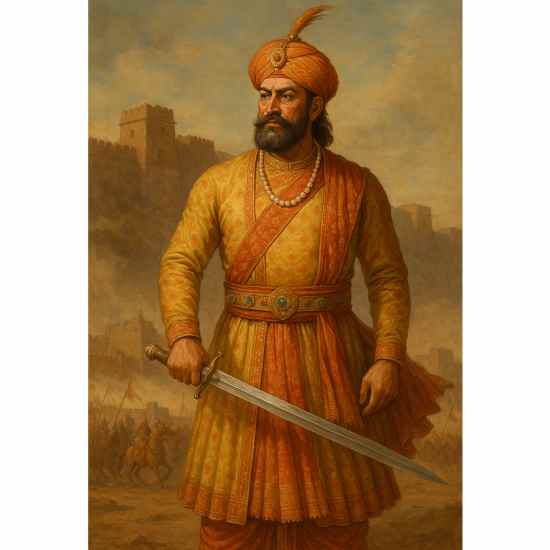
महाराणा हम्मीर
(हम्मीरा )
| जन्म स्थान | 1314 ई. |
| पिता | अरिसिंह प्रथम |
| माता | उर्मिला कंवर |
| जीवनसंगी | सोंगरी (मालदेव की पुत्री) |
| बच्चे | क्षेत्र सिंह, लूना |
| राष्ट्रीयता | भारतीय |
| धर्म | हिन्दू |
| मृत्यु | 1364 (50 साल) |
जीवन परिचय :-
“शौर्य वही जो संकट में टीका रहे , स्वाभिमान वही जो झुके नहीं।”
राणा हम्मीर सिंह (1314–78), या हम्मीरा जो 14वीं शताब्दी में भारत के राजस्थान के मेवाड़ के एक योद्धा या एक शासक थे। 13वीं शताब्दी में दिल्ली सल्तनत ने गुहिलों की सिसोदिया राजवंश की शाखा को मेवाड़ से सत्तारूढ़ कर दिया था, इनसे पहले गुहिलों की रावल शाखा का शासन था जिनके प्रथम शासक बप्पा रावल थे और अंतिम रावल रतन सिंह थे। मेवाड़ राज्य के इस शासक को 'विषम घाटी पंचानन'(सकंट काल मे सिंह के समान) के नाम से जाना जाता है, राणा हम्मीर को विषम घाटी पंचानन की संज्ञा राणा कुम्भा ने कीर्ति स्तम्भ प्रशस्ति में दी।
सीसोद गाँव के ठाकुर राणा हम्मीर सिसोदिया वंश के प्रथम शासक थे, तथा इन्हें मेवाड़ का उद्धारक कहा जाता है। राणा हम्मीर अरिसिंह के पुत्र तथा लक्ष्मणसिंह के पौत्र हैं, जिन्होंने अपनी सैन्य क्षमता के आधार पर मेवाड़ के खैरवाड़ा (उदयपुर) नामक स्थान को मुख्य केंद्र बनाया। राजस्थान के इतिहास में राणा हम्मीर ने चित्तौड़ से मुस्लिम सत्ता को उखाड़ने में अपना महत्वपूर्ण योगदान दिया। मेवाड़ की विषम परिस्थितियों के होते हुए भी इन्होंने चित्तौड़ पर विजयश्री प्राप्त की। इस प्रकार 1326 ई. में राणा हम्मीर को पुनः चित्तौड़ प्राप्त हुआ। इसी कारण राणा हम्मीर को विषम घाटी पंचानन के नाम से जाना जाता है।
हम्मीर इनके अलावा सिसोदिया राजवंश जो कि गुहिल वंश की ही एक शाखा है क्योंकि वे प्रजनक भी बन गए थे, इसके बाद सभी महाराणा सिसोदिया राजवंश के ही रहे।
चित्तौड़ विजय :-
हम्मीर ने चित्तौड़ पर विजय करने के कई प्रयास किए, लेकिन असफल रहे, जिसके कारण उनके संसाधन कम हो गए और उनके कई सिपाही भी छोड़ चले गए। हम्मीर, अपने आदमियों को आराम देने और फिर से संगठित होने की इच्छा से, आक्रमण को बंद कर और अपने शेष सिपाहियों के साथ द्वारका की तीर्थ यात्रा पर निकल पड़े। रास्ते में, उन्होंने गुजरात में चारणों के खोड़ गाँव में डेरा डाला, जहाँ एक देवी आई बिरवड़ी रहती थीं, जिन्हें हिंगलाज का अवतार माना जाता था। हम्मीर ने उनसे आशीर्वाद की याचना की और अपनी चित्तौड़ पर आक्रमण की असफलताओं का वर्णन किया, जिस पर देवी ने उन्हें मेवाड़ लौटने और एक और हमले की तैयारी करने की सलाह दी। हम्मीर ने जवाब दिया कि उसके पास अब एक और हमला करने के लिए सैनिक क्षमता नहीं है। देवी बिरवड़ी ने उसे आश्वासन दिया कि उनका पुत्र बारूजी उसकी की सहायता के लिए मेवाड़ आयेगा। इन शब्दों ने महाराणा पर गहरी छाप छोड़ी जो तुरंत कैलवाड़ा लौट आए।
कुछ ही दिनों में, बारूजी जो घोड़ों के एक धनी व्यापारी थे, अपने 500 घोड़ों के एक बड़े कारवां के साथ केलवाड़ा पहुंचा, जहां हम्मीर ने डेरा डाला था।
अपने शासन को व्यवस्थित करने की आवश्यकता में, मालदेव ने राणा हम्मीर के साथ अपनी बेटी सोंगारी की शादी की व्यवस्था की। खिलजी को यह वैवाहिक संबंध पसंद नहीं आया और उसने मालदेव से चित्तौड़गढ़ वापस ले लिया और उसे मेड़ता दे दिया। इसने हम्मीर को मेवाड़ से खिलजी की सेना को खदेड़ने के लिए प्रयास करने के लिए प्रेरित किया। हम्मीर और उनके चारण सहयोगियों ने हमला किया और वे चित्तौड़गढ़ हासिल करने में सफल रहे।
चित्तौड़ पर सफलतापूर्वक विजय करने के बाद, राणा हम्मीर ने बारुजी की समय पर सैन्य सहायता के लिए उन्हें मेवाड़ साम्राज्य के प्रोलपात पाटवी (बारहठ) का पद प्रदान किया, जो उनके भावी पीढ़ी के वंशजों को उत्तराधिकार में मिला।
जब हम्मीर का शासन चित्तौड़ में दृढ़ हो गया, उसने बिरवड़ी जी को वहाँ आमंत्रित किया और उन्हें बहुत सम्मान और आदर से किले में स्वागत किया। उनकी प्राणोत्सर्ग पर, महाराणा ने उनके सम्मान में चित्तौड़गढ़ दुर्ग में एक मंदिर बनवाया, जो आज भी कायम है और इसे अन्नापूर्णा मंदिर के नाम से जाना जाता है। राणा हम्मीर के शासनकाल में दिल्ली के सुल्तान मौहम्मद बिन तुगलक ने मेवाड़ पर आक्रमण किया। दोनों के बीच सिंगोली नामक स्थान पर युद्ध लड़ा गया जिसे सिंगोली का युद्ध कहा जाता है। जिसमें हम्मीर सिंह ने तुगलक सेना को हराया और मुहम्मद बिन तुगलक को बंदी बना लिया। वर्तमान में सिंगोली नामक स्थान उदयपुर में स्थित है। इस युद्ध के बाद मेवाड़ में राणा हम्मीर के दिन सामान्य रहे तथा 1364 ई. में इनकी मृत्यु हो गयी।
देवी बरबड़ी जी का आशीर्वाद :-
- हम्मीर ने चित्तौड़ को स्वतंत्र कराने के लिए कई बार आक्रमण किए, लेकिन असफल रहे। निराश होकर वे द्वारका यात्रा पर निकले।
- गुजरात के खोड़ गाँव में उनकी मुलाकात देवी बरबड़ी जी (हिंगलाज का अवतार) से हुई, जिन्होंने उन्हें फिर से युद्ध करने का आशीर्वाद दिया।
- देवी के पुत्र बारूजी ने 500 घोड़ों के साथ हम्मीर की सहायता की, जिससे उनकी सेना मजबूत हुई ।
- चित्तौड़ पर विजय (1326 ई.)
- हम्मीर ने मालदेव (चौहान) की बेटी सोंगरी से विवाह किया, जिससे खिलजी नाराज हो गया और चित्तौड़ छीन लिया।
- हम्मीर ने बारूजी और चारण सहयोगियों के साथ मिलकर चित्तौड़ पर पुनः अधिकार किया।
- इसके बाद उन्होंने अन्नापूर्णा मंदिर का निर्माण करवाया, जो आज भी चित्तौड़गढ़ में मौजूद है ।
- सिंगोली का युद्ध (1336 ई.): तुगलक की पराजय
- मोहम्मद बिन तुगलक: जिसकी क्रूरता और दमनकारी नीतियों ने उसे संकट में डाला
दिल्ली का सुल्तान मोहम्मद बिन तुगलक (1325–1351 ई.) अपने समय का अत्यधिक आत्ममुग्ध और क्रूर शासक था। उसकी नीतियां – राजधानी का स्थानांतरण, ताम्र मुद्रा, और दक्षिण भारत में युद्ध – विफल रहीं। यही असफलताएं अंततः उसकी कमजोरी का कारण बनीं। महाराणा हम्मीर का सबसे बड़ा सैन्य अभियान सिंगोली का युद्ध था, जहाँ उन्होंने मोहम्मद बिन तुगलक को बंदी बनाया।
सिंगोली का युद्ध :-
महाराणा हम्मीर की बढ़ती शक्ति से चिंतित होकर मोहम्मद बिन तुगलक ने मेवाड़ पर चढ़ाई की। किंतु वह यह भूल गया कि मेवाड़ की भूमि पर क्षत्रिय योद्धा जन्म लेते हैं। हम्मीर ने न सिर्फ उसका सामना किया, बल्कि रणनीति, साहस और स्थानीय समर्थन से मोहम्मद बिन तुगलक की सेना को परास्त कर दिया।
इतिहासकारों के अनुसार, युद्ध में हार के बाद मोहम्मद बिन तुगलक स्वयं बंदी बना लिया गया। यह एक ऐसा प्रसंग है जो भारतीय इतिहास के पन्नों में छुपाया गया , लेकिन क्षत्रिय इतिहास और लोकगाथाओं में जीवित है।
युद्ध का कारण :-
हम्मीर ने मालदेव के पुत्र जैज़ा को हराकर मेवाड़ पर कब्जा किया।
जैज़ा ने तुगलक से शिकायत की, जिसके बाद सुल्तान ने 90,000 सैनिकों के साथ मेवाड़ पर हमला किया ।
युद्ध का परिणाम:-
हम्मीर की 20,000 घुड़सवार और 10,000 पैदल सेना ने तुगलक की विशाल सेना को पराजित किया ।
हरिदास (मालदेव के पुत्र) को मार गिराया और तुगलक को बंदी बना लिया।
तुगलक को 6 महीने तक चित्तौड़ में कैद रखा गया और अंततः 50 लाख रुपये, 100 हाथियों और अजमेर, रणथंभौर, नागौर व सोपोर के किले छोड़ने के बाद छोड़ा गया ।
छह महीने की कैद: एक अपमान, एक चेतावनी
महाराणा हमीर ने तुगलक को छः महीने तक चित्तौड़ में बंदी बनाकर रखा। यह कोई साधारण निर्णय नहीं था,
बल्कि यह एक राजनीतिक संदेश था
– “क्षत्रिय आत्मसम्मान को कभी भी रौंदा नहीं जा सकता।”
माना जाता है कि तुगलक को रिहा करने के लिए दिल्ली से सोने, चांदी और हाथियों की भारी सौगात भेजी गई थी। इस घटना ने न केवल मेवाड़ की शक्ति को पुनः स्थापित किया, बल्कि दिल्ली सल्तनत की सीमितता भी स्पष्ट कर दी।
राणा हम्मीर सिंह से जुड़ी 10 रोचक जानकारियाँ:-
सिसोदिया वंश के पुनः संस्थापक
राणा हम्मीर सिंह को सिसोदिया वंश का पुनः संस्थापक माना जाता है। 1303 में अलाउद्दीन खिलजी द्वारा चित्तौड़ पर अधिकार कर लिए जाने के बाद, उन्होंने 1326 में चित्तौड़ को फिर से स्वतंत्र कराया।
अलाउद्दीन खिलजी के आक्रमण से बच निकले
जब खिलजी ने चित्तौड़ पर हमला किया और राजा रतन सिंह सहित अनेक योद्धा वीरगति को प्राप्त हुए, तब हम्मीर सिंह और उनके परिवार को केलवाड़ा (कुम्भलगढ़ क्षेत्र) ले जाया गया, जिससे उनका वंश बच सका।
मुगल शासक को हराने वाले पहले राजपूत राजा
राणा हम्मीर सिंह ने तुगलक शासक मुहम्मद बिन तुगलक को 1336 में सिंगोली के युद्ध में हराया और उसे बंदी बना लिया।
दिल्ली सल्तनत से भारी मुआवजा लिया
युद्ध के बाद तुगलक को छोड़ने के बदले हम्मीर सिंह ने भारी फिरौती ली, जिसमें धन, हाथी, घोड़े और कुछ प्रमुख राजपूत क्षेत्रों (अजमेर, रणथंभौर, नागौर) पर अधिकार भी मिला।
पहले "राणा" उपाधि धारक
हम्मीर सिंह ही पहले व्यक्ति थे जिन्होंने "राणा" की उपाधि धारण की, जो बाद में मेवाड़ के शासकों की पहचान बन गई।
अत्यंत धर्मनिष्ठ शासक
उन्होंने कई मंदिरों का निर्माण करवाया, जिनमें अन्नपूर्णा माता मंदिर और रूपनारायण जी का मंदिर प्रमुख हैं।
एक डाकू को हराकर किया राज्य पुनः प्राप्त
उन्होंने "मुंजा" नामक एक शक्तिशाली डाकू को हराकर केलवाड़ा क्षेत्र में अपनी शक्ति स्थापित की थी, जिससे उन्हें मेवाड़ के सिंहासन पर चढ़ने का नैतिक अधिकार मिला।
सत्ता में आने से पहले साधारण जीवन
चित्तौड़ गवाने के बाद उनका परिवार साधारण जीवन जी रहा था। उन्होंने संघर्षों के बाद ही राज्य पुनः प्राप्त किया।
राजपूती गौरव का पुनर्जागरण
उनके प्रयासों ने राजपूती अस्मिता को पुनः जीवंत किया, जिससे बाद के शासकों—राणा कुंभा, राणा सांगा और महाराणा प्रताप—को गौरवपूर्ण आधार मिला।
इतिहास में वीरता का प्रतीक
राणा हम्मीर सिंह को आज भी वीरता, पुनरुत्थान और आत्मगौरव का प्रतीक माना जाता है। वे न सिर्फ योद्धा थे, बल्कि दूरदर्शी शासक भी।
Biography:-
"Valour is that which remains firm in times of crisis, self-respect is that which does not bow down."
Rana Hammir Singh (1314–78), or Hammira, was a warrior or a ruler of Mewar in Rajasthan, India in the 14th century. In the 13th century, the Delhi Sultanate made the Sisodia dynasty branch of the Guhils rule Mewar, before them the Rawal branch of the Guhils ruled whose first ruler was Bappa Rawal and the last Rawal was Ratan Singh. This ruler of the Mewar state is known as 'Vishma Ghati Panchanan' (like a lion in times of crisis), Rana Hammir was given the title of Vishma Ghati Panchanan by Rana Kumbha in the Kirti Stambh Prashasti.
Thakur Rana Hammir of Sisod village was the first ruler of the Sisodia dynasty, and he is called the savior of Mewar. Rana Hammir is the son of Arisingh and grandson of Laxman Singh, who made Khairwada (Udaipur) the main center of Mewar on the basis of his military capability. In the history of Rajasthan, Rana Hammir made an important contribution in uprooting Muslim power from Chittor. Despite the adverse circumstances of Mewar, he achieved victory over Chittor. Thus, Rana Hammir regained Chittor in 1326 AD. For this reason, Rana Hammir is known as Vishma Ghati Panchanan.
Apart from Hammir, the Sisodia dynasty is a branch of the Guhil dynasty because they also became breeders, after this all the Maharanas belonged to the Sisodia dynasty.
Chittor Victory: -
Hammir made several attempts to conquer Chittor, but failed, due to which his resources were reduced and many of his soldiers also left. Hammir, wishing to rest and regroup his men, called off the invasion and set out on a pilgrimage to Dwaraka with his remaining soldiers. On the way, he camped at the village of Khod in the Charans in Gujarat, where lived a goddess Aai Birwadi, who was believed to be an incarnation of Hinglaj. Hammir sought her blessings and narrated the failures of his invasion of Chittor, to which the goddess advised him to return to Mewar and prepare for another attack. Hammir replied that he no longer had the military strength to launch another attack. Goddess Birwadi assured him that her son Baruji would come to Mewar to aid him. These words made a deep impression on the Maharana who immediately returned to Kelwara.
In a few days, Baruji who was a wealthy trader of horses arrived with a large caravan of 500 horses at Kelwara, where Hammir camped.
In need of organizing his rule, Maldev arranged the marriage of his daughter Songari with Rana Hammir. Khilji did not like this matrimonial alliance and he took back Chittorgarh from Maldev and gave him Merta. This prompted Hammir to make an effort to expel Khilji's army from Mewar. Hammir and his bard allies attacked and succeeded in taking Chittorgarh.
After successfully conquering Chittor, Rana Hammir awarded Baruji the title of Prolpat Patvi (Barahath) of the Mewar kingdom for his timely military assistance, which was inherited by his descendants for future generations.
When Hammir's rule was solidified in Chittor, he invited Birwadi ji there and welcomed him to the fort with great honor and respect. On her death, Maharana built a temple in her honour in Chittorgarh fort, which still stands and is known as Annapurna Temple. During Rana Hammir's reign, Delhi Sultan Muhammad bin Tughlaq invaded Mewar. A war was fought between the two at a place called Singoli, which is called the Battle of Singoli. In which Hammir Singh defeated the Tughlaq army and took Muhammad bin Tughlaq prisoner. Presently, a place called Singoli is located in Udaipur. After this war, Rana Hammir's days in Mewar were normal and he died in 1364 AD.
Blessings of Goddess Barbari Ji:-
Hammir attacked Chittor several times to liberate it, but was unsuccessful. Disappointed, he set out on a journey to Dwarka.
In Khod village of Gujarat, he met Goddess Barbari Ji (an incarnation of Hinglaj), who blessed him to fight again.
Devi's son Baruji assisted Hammir with 500 horses, which strengthened his army.
Conquest of Chittor (1326 AD)
Hammir married Songari, daughter of Maldev (Chauhan), which angered Khilji and he took away Chittor.
Hammir, along with Baruji and Charan allies, recaptured Chittor.
After this, he built the Annapurna temple, which still exists in Chittorgarh.
Battle of Singoli (1336 AD): Defeat of Tughlaq
Mohammad bin Tughlaq: whose cruelty and oppressive policies brought him into trouble
The Sultan of Delhi, Mohammed bin Tughlaq (1325–1351 AD) was the most narcissistic and cruel ruler of his time. His policies – shifting of the capital, copper currency, and war in South India – failed. These failures ultimately led to his weakness. Maharana Hammir's biggest military campaign was the Battle of Singoli, where he captured Mohammad Bin Tughlaq.
Battle of Singoli:-
Worried by the growing power of Maharana Hammir, Mohammad Bin Tughlaq attacked Mewar. But he forgot that Kshatriya warriors are born on the land of Mewar. Hammir not only faced him, but also defeated him with strategy, courage and local support.
Result of the battle:-
Hammir's 20,000 cavalry and 10,000 infantry defeated Tughlaq's huge army.
Haridas (son of Maldev) was killed and Tughlaq was taken prisoner.
Tughlaq was kept captive in Chittor for 6 months and was finally released after giving Rs. 50 lakhs, 100 elephants and the forts of Ajmer, Ranthambore, Nagaur and Sopore.
Six months imprisonment: an insult, a warning
Maharana Hamir kept Tughlaq captive in Chittor for six months. This was not an ordinary decision,
but it was a political message
– "Kshatriya self-respect can never be trampled."
It is believed that a huge gift of gold, silver and elephants was sent from Delhi to release Tughlaq. This incident not only reestablished the power of Mewar, but also made clear the limitations of the Delhi Sultanate.
Interesting facts related to Rana Hammir Singh:-
Re-founder of the Sisodia dynasty
Rana Hammir Singh is considered to be the re-founder of the Sisodia dynasty. After Chittor was captured by Alauddin Khilji in 1303, he liberated Chittor again in 1326.
Escaped the attack of Alauddin Khilji
When Khilji attacked Chittor and many warriors including King Ratan Singh were martyred, Hammir Singh and his family were taken to Kelwara (Kumbhalgarh area), which saved his dynasty.
First Rajput king to defeat the Mughal ruler
Rana Hammir Singh defeated the Tughlaq ruler Muhammad bin Tughlaq in the Battle of Singoli in 1336 and took him prisoner.
Took heavy compensation from Delhi Sultanate
After the war, Hammir Singh took a huge ransom in exchange for releasing Tughlaq, which included money, elephants, horses and also got rights over some major Rajput areas (Ajmer, Ranthambore, Nagaur).
First "Rana" title holder
Hammir Singh was the first person to assume the title of "Rana", which later became the identity of the rulers of Mewar.
Extremely religious ruler
He built many temples, among which Annapurna Mata Temple and Roopnarayan Ji Temple are prominent.
Regained the kingdom by defeating a bandit
He established his power in the Kelwara region by defeating a powerful bandit named "Munja", which gave him the moral right to ascend the throne of Mewar.
Simple life before coming to power
After losing Chittor, his family was living a simple life. He regained the kingdom only after struggles.
Renaissance of Rajput pride
His efforts revived Rajput identity, giving a proud base to the later rulers—Rana Kumbha, Rana Sanga and Maharana Pratap.
Symbol of valour in history
Rana Hammir Singh is still considered a symbol of valour, resurgence and self-pride. He was not only a warrior but also a visionary ruler.