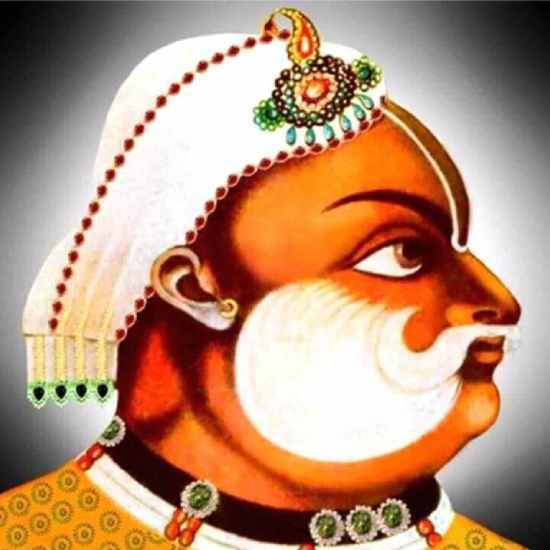
महाराजा सूरजमल
| जन्म तिथि | 13 February 1707 |
| जन्म स्थान | भरतपुर, राजस्थान भारत |
| पिता | बदन सिंह |
| राष्ट्रीयता | भारतीय |
| धर्म | हिन्दू |
| मृत्यु | 25 दिसंबर 1763 को दिल्ली के शाहदरा में लड़ते हुए |
महाराजा सूरजमल – जीवन परिचय और इतिहास--
महाराजा सूरजमल (सिंह) का जन्म 13 फरवरी 1707 को हुआ था। वे राजस्थान के भरतपुर के जाट शासक थे और उनका गोत्र सिनसिनवार था। उनके पिता बदन सिंह थे और सूरजमल बचपन से ही वीर, धीर, बुद्धिमान और दूरदर्शी स्वभाव के थे।
सूरजमल के पूर्वज क्षत्रिय जाट थे और उनका परिवार मूलतः सिनसिनी गाँव पर आधारित था। उनके पूर्वजों ने मथुरा और ब्रज क्षेत्र पर शासन किया और अपने प्रशासन और सामरिक कौशल के लिए जाने जाते थे।
राजसी करियर और सत्ता की स्थापना--
1721 में चूरामल की मृत्यु के बाद, बदन सिंह भरतपुर के शासक बने। सूरजमल, उनके सबसे योग्य पुत्र थे। छोटे से ही उन्होंने राजनीतिक और सामरिक कौशल दिखाया।
सूरजमल ने सोघर गांव पर आक्रमण कर विजय प्राप्त की और यही स्थान उनके लिए भरतपुर का केंद्र बना। यहाँ उन्होंने लोहागढ़ किला का निर्माण करवाया, जो आज भी देश का एकमात्र ऐसा किला है जो कभी नहीं जीता गया।
बदन सिंह की दृष्टि क्षीण होने पर, उन्होंने शासन की बागडोर अपने भरोसेमंद पुत्र सूरजमल को सौंप दी। सूरजमल ने राजनीतिक चातुर्य और सामरिक कौशल के साथ जाट साम्राज्य की नींव मजबूत की।
वीरता और युद्ध कौशल--
सूरजमल के जीवनकाल में उन्होंने लगभग 80 युद्ध लड़े और सभी में विजय प्राप्त की। उनका सामरिक कौशल इतना प्रभावशाली था कि मुगलों में एक कहावत प्रसिद्ध थी:
"तोप चले, बंदूक चले, जाके रायफल चले इशारे ते। अबकै जान बचाइले अल्लाह, या जाट भरतपुर वारे ते।"
उनके नेतृत्व में जाटों ने आगरा नगर पर मुगलों की सेना को पराजित कर कब्जा कर लिया। उनका नेतृत्व केवल युद्ध तक सीमित नहीं था; वे सभी संकटों में धैर्य, दूरदर्शिता और राजनीति कौशल से काम लेते थे।
प्रशासन और शासन--
सूरजमल का शासन वर्तमान दिल्ली, उत्तर प्रदेश (आगरा, मथुरा, बुलंदशहर आदि), राजस्थान (भरतपुर, धौलपुर, अलवर) और हरियाणा (गुरुग्राम, रोहतक, झज्जर आदि) तक फैला था।
उनकी राजनीतिक और प्रशासनिक नीतियाँ निम्नलिखित थीं--
- मेल-मिलाप और सह-अस्तित्व पर जोर देना
- समावेशी सोच और भारतीयता के मूल्यों का पालन
- जनता की सुरक्षा और राज्य की अखंडता की रक्षा
- इतिहासकारों ने उन्हें ‘जाटों का प्लेटों’ और आधुनिक इतिहासकारों ने ओडिसस से तुलना की, उनके दूरदर्शिता और बुद्धिमत्ता के कारण।
मराठों और मुगलों से संघर्ष--
- सूरजमल ने मराठाओं और मुगलों से कई बार संघर्ष किया।
- 1753 में उन्होंने फिरोजशाह कोटला पर कब्जा किया।
- जनवरी से मई 1754 तक, मराठों ने कुम्हेर किले पर हमला किया, लेकिन सफलता नहीं पाई।
- उन्होंने मराठाओं के साथ संधि और समझौते कर युद्ध से बचाव किया।
- उन्होंने हमेशा यह सुनिश्चित किया कि संघर्ष से पहले सभी शांतिपूर्ण उपाय अपनाए जाएँ।
पानीपत युद्ध और उदारता--
1761 में तीसरी लड़ाई के दौरान, सूरजमल ने मराठों को सुरक्षित आश्रय, भोजन और इलाज प्रदान किया।
लगभग 30-40 हजार घायल मराठा सैनिक उनकी देखभाल में रहे।
महारानी किशोरी ने जनता से अपील कर अनाज और वस्त्र इकठ्ठा करवाए।
उनकी उदारता में बीस लाख रुपये खर्च हुए।
सूरजमल ने हमेशा सामरिक जीत के साथ नैतिक और धार्मिक मूल्यों का पालन किया।
शत्रुता और मृत्यु--
सूरजमल के समय मुगल व नजीबुदौला जैसे शक्तिशाली विरोधी थे।
1763 में उन्होंने गाजियाबाद, रोहतक, झज्जर और फरुखनगर पर कब्जा किया।
25 दिसंबर 1763 को दिल्ली के शाहदरा में लड़ते हुए, नजीबुदौला ने धोखे से उनकी हत्या कर दी।
इस प्रकार महाराजा सूरजमल को वीरगति प्राप्त हुई।
समकालीन और ऐतिहासिक महत्व--
महाराजा सूरजमल के शासन में जाट साम्राज्य न केवल मजबूत हुआ, बल्कि उत्तर भारत में जाटों की श्रेष्ठता और शक्ति भी स्थापित हुई।
उन्होंने मुगलों और मराठाओं की चालों को नाकाम किया।
अपनी दूरदर्शिता, उदारता और शौर्य के लिए आज भी सम्मानित हैं।
उनका योगदान भारत की सामाजिक, सांस्कृतिक और राजनीतिक विरासत में अद्वितीय है।
राज्य की स्थापना और प्रशासन--
सूरजमल ने 1733 में भरतपुर नगर की नींव रखी और लोहागढ़ किले का निर्माण शुरू किया। यह किला अपने अभेद्यपन के लिए प्रसिद्ध है और मुगलों के आक्रमणों से सुरक्षित रहा। उन्होंने अपने राज्य की सीमाओं का विस्तार करते हुए दिल्ली, आगरा, मथुरा, अलीगढ़, बुलंदशहर, गाज़ियाबाद, फरीदाबाद, मैनपुरी, एटा, मथुरा, मेरठ, धौलपुर, अलवर, गुरुग्राम, रोहतक, झज्जर, रेवाड़ी, मेवात जैसे क्षेत्रों को अपने अधीन किया।
सैन्य विजय और युद्ध कौशल--
महाराजा सूरजमल ने अपने जीवनकाल में 80 युद्ध लड़े और सभी में विजय प्राप्त की। उनकी सेना में 15,000 घुड़सवार और 25,000 पैदल सैनिक थे। उनकी सैन्य रणनीतियाँ और युद्ध कौशल उन्हें एक महान योद्धा बनाते हैं।
धरोहर--
महाराजा सूरजमल का निधन 25 दिसंबर 1763 को हुआ। उनके बाद उनके पुत्र जवाहर सिंह ने राज्य की बागडोर संभाली। उनकी वीरता और नेतृत्व की गाथाएँ आज भी लोगों के बीच जीवित हैं। भरतपुर में उनकी 21 फीट ऊँची प्रतिमा स्थापित की गई है, जो उनके योगदान को सम्मानित करती है।
निष्कर्ष--
महाराजा सूरजमल केवल वीर योद्धा नहीं थे, बल्कि प्रगतिशील और दूरदर्शी शासक थे।
उन्होंने जाट साम्राज्य की नींव रखी।
उन्होंने युद्ध में ही नहीं, बल्कि राजनीति, समाज और संस्कृति में भी अपार योगदान दिया।
उनकी वीरता, न्यायप्रियता, और उदारता आज भी इतिहास में प्रेरणास्त्रोत हैं।
Maharaja Surajmal – Life and History--
Maharaja Surajmal (Singh) was born on 13th February 1707. He was a Jat ruler of Bharatpur, Rajasthan, belonging to the Sinsinwar clan. His father was Badan Singh, and from childhood, Surajmal displayed courage, wisdom, composure, and far-sightedness.
Ancestry and Early Background--
Surajmal’s ancestors were Kshatriya Jats, and the family was originally based in Sinsini village. His forefathers ruled over Mathura and the Braj region and were known for their administrative and military skills.
Royal Career and Ascension to Power--
After the death of Churamal in 1721, Badan Singh became the ruler of Bharatpur. Surajmal, being his most capable son, demonstrated political and military skills from an early age.
He captured the village of Sogar, which became the center for his future capital, Bharatpur. Here, he initiated the construction of the Lohagarh Fort, which remains the only fort in the country that was never conquered.
As Badan Singh’s health declined, he entrusted the reins of governance to his trusted son, Surajmal. Using political acumen and military skill, Surajmal laid a strong foundation for the Jat Empire.
Bravery and Military Prowess--
During his lifetime, Surajmal fought approximately 80 battles and emerged victorious in all of them. His military capabilities were so formidable that a saying spread among the Mughals:
"Cannons fired, guns fired, rifles shot at signals. Now, whether God saves lives or it’s the Jats of Bharatpur, who knows?"
Under his leadership, the Jats defeated Mughal forces and captured Agra. Surajmal’s leadership extended beyond the battlefield; he displayed patience, strategic vision, and political skill in every crisis.
Administration and Governance--
Surajmal’s rule extended over present-day Delhi, Uttar Pradesh (Agra, Mathura, Bulandshahr, etc.), Rajasthan (Bharatpur, Dholpur, Alwar), and Haryana (Gurugram, Rohtak, Jhajjar, etc.).
His administrative policies emphasized:
-
Harmony and coexistence
-
Inclusive thinking and adherence to Indian cultural values
-
Protection of the people and the integrity of the state
Historians have referred to him as the “Plato of the Jats,” and modern historians compare his wisdom and foresight to Odysseus.
Conflicts with Marathas and Mughals--
Surajmal repeatedly faced the Marathas and Mughals in battle:
-
In 1753, he captured Ferozshah Kotla.
-
From January to May 1754, the Marathas attacked the Kumher Fort but failed to capture it.
-
He also negotiated treaties with the Marathas to avoid unnecessary warfare.
He always ensured that all peaceful measures were exhausted before engaging in conflict.
Role in the Third Battle of Panipat and Generosity--
During the Third Battle of Panipat in 1761, Surajmal provided shelter, food, and medical care to the Marathas. Around 30,000–40,000 wounded Maratha soldiers were under his care.
Maharani Kishori appealed to the public to collect grain and clothing for the soldiers, spending approximately two million rupees in the process.
Surajmal combined military success with adherence to moral and religious values.
Enemies and Death--
During his reign, Surajmal faced powerful adversaries such as the Mughals and Najib-ud-Daula.
In 1763, he captured Gaziabad, Rohtak, Jhajjar, and Farukhnagar. On 25th December 1763, while fighting in Shahdara, Delhi, he was treacherously killed by Najib-ud-Daula, attaining martyrdom.
Contemporary and Historical Significance--
Under Maharaja Surajmal’s rule, the Jat Empire not only strengthened but also established the supremacy of the Jats in North India. He foiled the strategies of the Mughals and Marathas.
Surajmal’s vision, generosity, and valor continue to be celebrated, and his contributions are considered unique in India’s social, cultural, and political history.
Establishment of the State and Administration--
In 1733, Surajmal founded Bharatpur and started the construction of Lohagarh Fort. Known for its invincibility, the fort withstood Mughal attacks. He expanded his state to include areas such as Delhi, Agra, Mathura, Aligarh, Bulandshahr, Ghaziabad, Faridabad, Mainpuri, Etah, Meerut, Dholpur, Alwar, Gurugram, Rohtak, Jhajjar, Rewari, and Mewat.
Military Victories and Strategy--
Surajmal fought 80 battles, achieving victory in all. His army consisted of 15,000 cavalry and 25,000 infantry. His military strategies and warfare expertise established him as a legendary warrior.
Legacy--
Maharaja Surajmal passed away on 25th December 1763. His son, Jawahar Singh, succeeded him. His tales of bravery and leadership remain alive among people. A 21-feet-tall statue in Bharatpur honors his contributions.
Conclusion--
Maharaja Surajmal was not only a brave warrior but also a progressive and visionary ruler. He laid the foundation of the Jat Empire and made significant contributions to politics, society, and culture.
His courage, justice, and generosity remain an enduring inspiration in history.